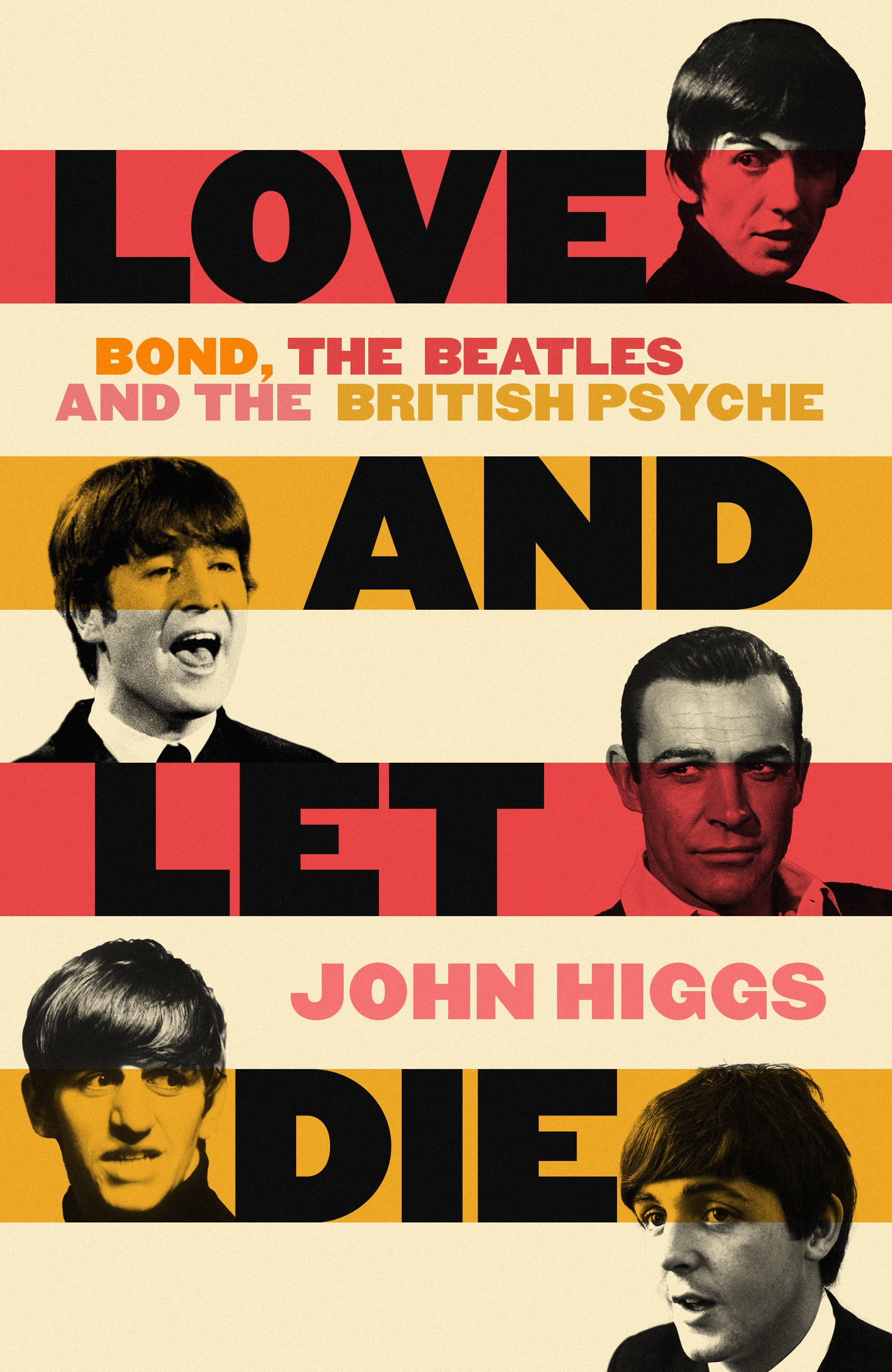
Love and Let Die is quite an undertaking, not only telling two concurrent and interconnected stories that span 60 years, but also putting those stories in their wider historical context and mentioning Freud, Putin, Vonnegut, Desmond Dekker and the Queen (to take just a small random sample) along the way. How did you decide what to put in and what to leave out? Was the book meticulously planned out or did it evolve as you wrote it?
The book is about seeing very familiar things in a new light, so the choice of what to put in and what to leave out was largely dependent on that. Most of the things that made it into the book are things that, I hope, help to show a new perspective or give new insights into a subject that we thought we already knew and understood. There is something very exciting in realising that there is more to the thing right under your nose than you realised. It is a reminder that even the most commonplace thing has its secrets to reveal.
And yes, the book absolutely evolved during writing, as they all do. I think if you knew what a book was going to be beforehand, there would be no point in writing it.
The Beatles must be the most written about band of all time, were you daunted by the weight of words already dedicated to them when you decided to write your own book about them?
Yes, definitely! I didn’t write about the Beatles for many years for that very reason. It wasn’t until I mentally put them alongside Bond and viewed them in that context that I felt I had a way to offer up something new. The great library of Beatle books has pretty much nailed down what happened, but there is still room to explore what it all means.
It helps that, because of the nature of the publishing industry, the perspective of the establishment subculture is massively overrepresented in what has previously been written. There’s still a great deal to talk about from outside that bubble.
The coincidental release of the first Beatles record and first Bond film on the same day is quite extraordinary. Do you have a personal favourite among the many surprising connections between Bond and The Beatles you unearthed in your research?
It’s obviously great that it was Ringo of all the people who ended up marrying a Bond Girl. I also like that Ian Fleming’s wife used to refer to him as ThunderBeatle. At the time of writing, rumours in the press claim Aaron Taylor-Johnson is the favourite to become the next Bond. If that came true that would be very pleasing, given his portrayal of John Lennon in Nowhere Boy.
The Beatles are endlessly fascinating, why do you think that is?
That’s a really good question – because they really are endlessly fascinating. With most subjects, there comes a time when you decide you know enough about it, and can move on. But with the Beatles, you never really reach that point – the more you know about them, the more interested you become. I suspect that it might have something to do with just how implausible it is that they could be that good, that popular, and have that big an impact. It doesn’t seem believable, sometimes, that all that actually happened.
Can you remember the first time you heard a Beatles song?
I can’t, and I don’t think many people can either. Their music is so prevalent in our culture that it’s always present – you’re absorbing it as a nipper. In that way it’s become the folk music of our age.
What’s your favourite Beatle song and why?
My favourite album is the White Album, but naming a favourite song is trickier. Part of the appeal of the Beatles is that there is so much good stuff, and it is so varied, that narrowing it down just seems wrong. If you were to force me to just say one, however, I think it would have to be A Day In The Life. That does feel like the pinnacle of their craft.
Who is the best Beatle?
It’s the chemistry between the four of them that matters, to me anyway. Focusing on any one takes away from that. It’s like asking which is your best limb.
Who is the best Bond?
I’m increasingly of the opinion that it is Daniel Craig. But with luck, the best will be the next guy!
What will be the subject of your next book?
I’m working on four different books at the moment, so my head is far too mangled and confused to try to answer that! I don’t advise anyone try this – one book at a time is more than enough.
LOVE AND LET DIE by John Higgs published by W&N available in Hardback, eBook and audio £22
The tagline to this enormously entertaining series is ‘A jaunty stroll through Pepperland discussing The Beatles & solo Beatle albums with a pot pourri of delicious guests’. Although that’s a pretty accurate description, it does slightly undersell what makes Eggpod such as great listen.
It is as lively and cheerful as the word ‘jaunty’ suggests and, clocking in at up to two hours per episode (although more often between an hour and 90 minutes-ish), it does have the relaxed pace of an afternoon walk in the woods. It all seems effortless as charmingly amiable host Chris Shaw chats away to guests that have so far included Sanjeev Bhaskar, David Hepworth, Nicky Campbell, Samira Ahmed, David Quantick and John Higgs among many others. But such is the passion and knowledge of everyone involved that every episode is a close equivalent of a carefully researched documentary, albeit one that sounds spookily like a pub conversation.
Take for example ep 108: The Revolver Sessions with Matt Everitt. Four minutes in and we’ve already learned that film director Peter Jackson won’t allow anyone else (apart from Giles Martin) to use his revolutionary ‘de-mixing’ software that was used on the film Get Back and subsequently on the new deluxe Revolver box set. It seems as though the technology that could transform the album reissue market is being kept solely for Beatles related projects, at least for time being. We also learn that the third Beatles film was planned to be A Talent for Loving, a cowboy movie set in the 19th century and due to be filmed at the beginning of 1966 in Mexico or Spain. The film was shelved after the Fabs read the script.
The podcast really comes into its own when the guest is extolling the virtues of a more obscure or unloved album. Iain Lee on McCartney’s folly Give My Regards to Broad Street (ep 9) or Andy Miller on John and Yoko’s Some Time in New York City (ep 110) are must-listens for example. But whatever the subject and whoever the guest is, you are pretty much guaranteed an engrossing, informative and above all entertaining listen. Both Shaw and his guests tend to wear their expertise lightly and with good humour so the episodes are never hard work to listen to.
Shaw himself is however no workshy fop, undertaking what must have been a punishing schedule to publish a series of 21 episodes in January 2022, each covering a day featured in Get Back and posted on the correlating date, so ep77 is actor John Bradley discussing day 1 of Get Back, Thursday 2nd January 1969 with the episode first appearing on 2 January 2022. That mammoth undertaking didn’t prevent him from putting together a four part celebration of Paul McCartney with multiple contributors to coincide with the great man’s 80th birthday in June 2022.
The series is Beatles and McCartney heavy with only a smattering of episodes given over to John, George and Ringo, but that just means we still have All Things Must Pass and Goodnight Vienna episodes to look forward to. You get the feeling that even if the idea of podcasts had never been invented, Shaw would be tracking down Beatles fans in order to have hours-long Mop Top-themed chats just for the hell of it but thankfully we can all listen in.
The Beatles Handbook rating: Five Stars Listen to this podcast:I am The Eggpod Start with: ep 1 Rubber Soul with Rob Manuel Hidden gem: ep 67 – Red Rose Speedway with Brian O’Conner and Simon Barber of the Sodajerker podcast.
Beatles Stuffology
Review Coming Soon
The Beatles Handbook rating: Listen to this podcast:Beatles Stuffology Start with: Hidden gem:
Blotto Beatles
Review Coming Soon
The Beatles Handbook rating: Listen to this podcast: Blotto Beatles Start with: Hidden gem:
Producing The Beatles
Review Coming Soon
The Beatles Handbook rating: Listen to this podcast:Producing The Beatles Start with: Hidden gem:
My Favourite Beatles Song
Review Coming Soon
The Beatles Handbook rating: Listen to this podcast: My Favourite Beatles Song Start with: Hidden gem:
Nothing is Real
Review Coming soon
The Beatles Handbook rating: Listen to this podcast: Nothing is Real Start with: Hidden gem:
The Big Beatles Sort Out
Review Coming Soon
The Beatles Handbook rating: Listen to this podcast:Producing The Beatles Start with: Hidden gem:
Ranking The Beatles
Review Coming Soon
The Beatles Handbook rating: Listen to this podcast: Ranking The Beatles Start with: Hidden gem:
For all their distinct personalities, the four Beatles were effectively a gestalt entity. This was one of the reasons why they so perfectly represented Eros, or the Freudian drive to lose your limited self and become part of something larger.
In the decades after the band split, much debate occurred about why they were so special, with the assumption being that the answer must lie with one of the four. In the seventies and eighties, many rock critics took the view that John Lennon was the special ingredient which explained the extraordinary impact of the Beatles. Thinking like this was entirely in keeping with the individualism of the second half of the twentieth century. But as a framework, individualism was always too limited a perspective to understand something as interesting as the Beatles. It was the combination of those four personalities which made the Beatles greater than the sum of their parts. They were, in occult terms, a combination of the four alchemical elements. Ringo was earth, John was fire, Paul was air and George was water. Combined, they produced the fifth, transcendent element: spirit. Or alternatively, Ringo had a big nose, George had big ears, Paul had big eyes and John was always a big mouth. As individuals these attributes may be unfortunate, but when they are combined you get the face of a giant.
And then Paul McCartney wrote ‘Yesterday’.
This is, of course, one of the most covered songs in history. The melody famously came to Cartney fully formed during a dream, a gift from his subconscious that would change his life forever. It elevated him from being part of his ‘good little rock ‘n’ roll band’ to becoming the author of the front page of the twentieth century’s songbook. Even half a century after it was written, it’s impossible to grow up in the West and not know this song. It hinted at the scale of the new territory that the Beatles would now occupy. But it also hinted at the cost.
Before ‘Yesterday’, the Beatles were a unit. Lennon and McCartney had previously written songs alone, without the insights and finishing touches of their partner. But this was the first solo song that didn’t need the other three Beatles. Instead, it was recorded in two takes with Paul alone, playing acoustic guitar and singing, and George Martin added a string quartet three days later. On the same day that McCartney recorded Yesterday’, the full band also recorded two more of Paul’s songs, the larynx shredding rocker ‘I’m Down’ and the acoustic folk rock ‘I’ve Just Seen a Face’ – an example not just of the phenomenal work rate that the band operated at, but the variety of styles of both singing and songwriting that McCartney was capable of.
The solo nature of the song clearly troubled the band; here was a situation that they had never had to deal with before. It is striking that, uncomfortable with such a solo effort being credited to the Beatles, they didn’t release the song as a single in the UK. It’s hard to imagine any other band writing a song as strong and commercial as ‘Yesterday’, then only using it as filler on the second side of a film soundtrack album.
What ‘Yesterday’ showed was that new horizons for the band’s music were imaginable. It was not that they had plateaued and were on the way down, it was more that they had barely started. If they were to reach those new artistic peaks it would require the four Beatles to grow and evolve as individuals. They could not remain loveable mop-tops forever. But if the four of them were to change in unexpected and unpredictable ways, then how could they be expected to fit together so neatly into the perfect unit that won the hearts of the world? The future was unparalleled creative growth, yet as the melancholic mood of ‘Yesterday’ realised, it would come at a cost.
‘Yesterday’ is a song about realising that something special has changed and wishing to go back in time to how things used to be. The Beatles were going to mature into four extraordinary individuals who would offer the world so much more than the pre-‘Yesterday’ Fab Four. For all four musicians, their greatest work was ahead of them. But there is a reason why many children fear growing up. The arrival of the future, after all, must mean the death of the past. To evolve and fulfil their potential would mean allowing fractures to grow in the best gang imaginable.
LOVE AND LET DIE by John Higgs published by W&N available in Hardback, eBook and audio £22
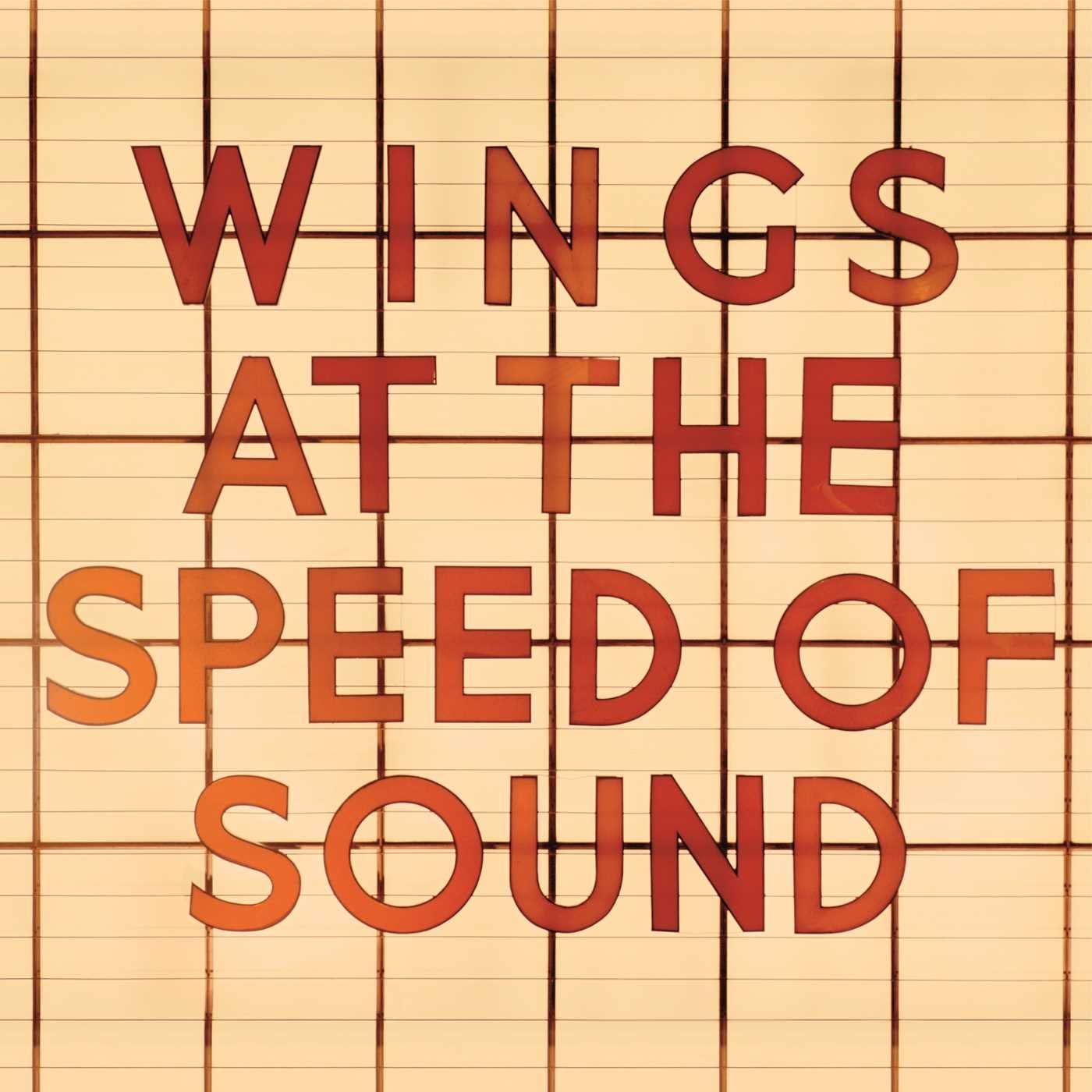
In The Lyrics, McCartney claims that “There were accusations in the mid-1970s – including one from John – that I was writing ‘silly love songs'”. Paul’s response? To double down and write more of them. ‘Silly Love Songs’ spent five weeks at number 1 in the Billboard Hot One Hundred in America and reached number 2 in the British pop charts. Who’s laughing now? With a bubbling, popping bassline that wanders delightfully all over the fretboard above a lilting string arrangement and punctuated by catchy-as-hell brass and wind section riffs, it’s an irresistibly infectious piece of 70s pop and one of the jewels in the crown of McCartney’s back catalogue.
But Speed of Sound isn’t just silly love songs. ‘Beware My Love’, with its echoes of ‘Reach Out’ by The Four Tops is Motown seen through the prism of 70s hard rock (the alternative version with John Bonham of Led Zeppelin on drums that appears on the Archive Collection edition is worth tracking down). The pedaling bass and militaristic drum and wind arrangement on ‘Let ‘Em In’ sounds like little else in pop. The song’s message of inclusivity is more relevant now than ever.
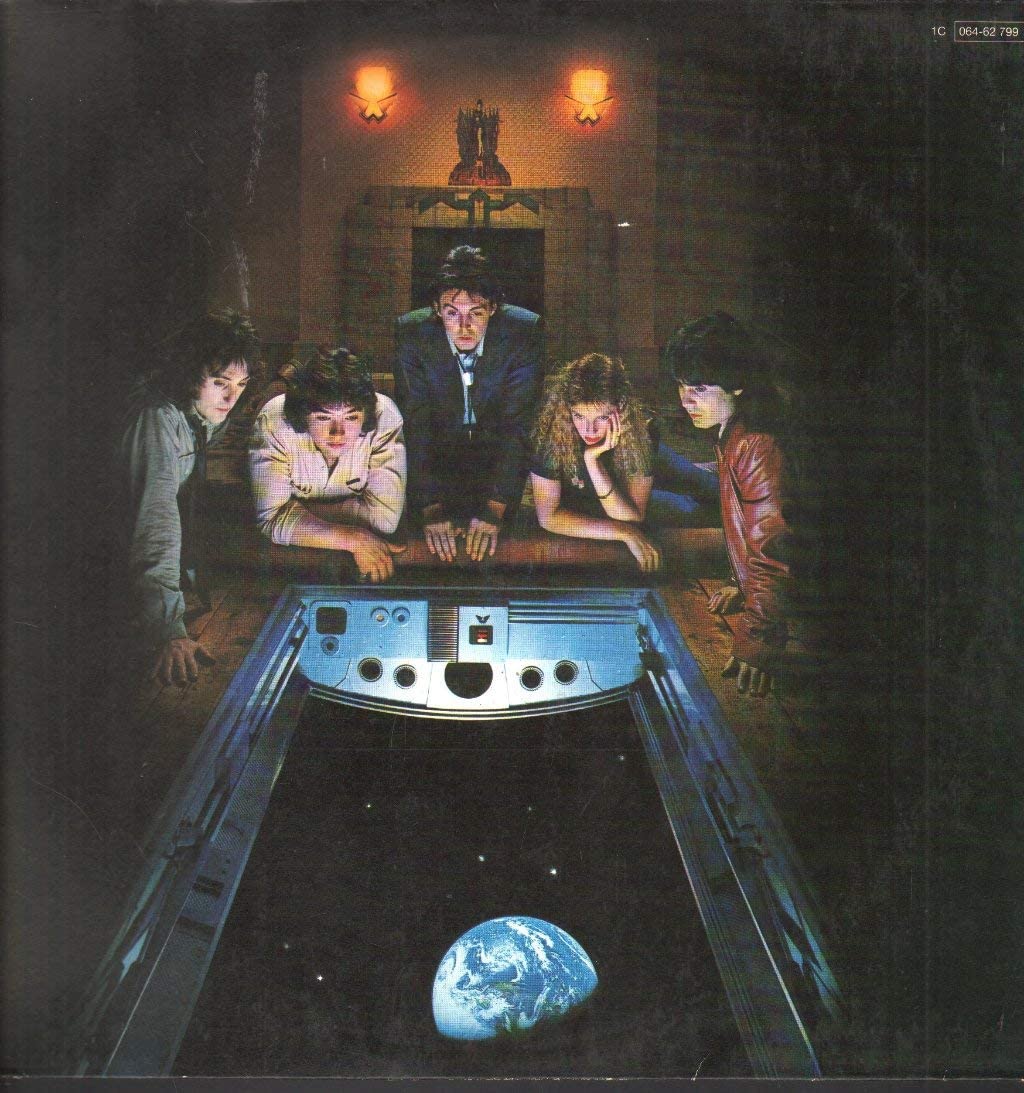
McCartney’s attempt to accentuate Wings as a real group affair rather than just an ex-Beatle and his hired backing band works to great and diverse effect. Guitarist Denny Laine contributes two highlights – an affecting lead vocal on McCartney’s ethereal ‘The Note You Never Wrote’ and a soulful performance on his own top drawer composition ‘Time To Hide’ (that hints at ‘You Keep Me Hanging On’ in the verse), while Jimmy McCulloch’s Steely Dan-esque ‘Wino Junko’ features some excellent soloing.
However, while I’m extremely reticent to indulge in anything that might appear to be Linda-bashing, the weakest track on the album by far is the under-baked, lightweight rock’n’roll of ‘Cook of the House’ which Linda sings and co-wrote with McCartney. But it’s a minor irritation and doesn’t prevent this from being McCartney’s best record of the 70s. A joy from start to finish.
Beatles Handbook rating: 5 Stars
Essential tracks Silly Love Songs Beware My Love Time To Hide Let ‘Em In San Ferry Anne
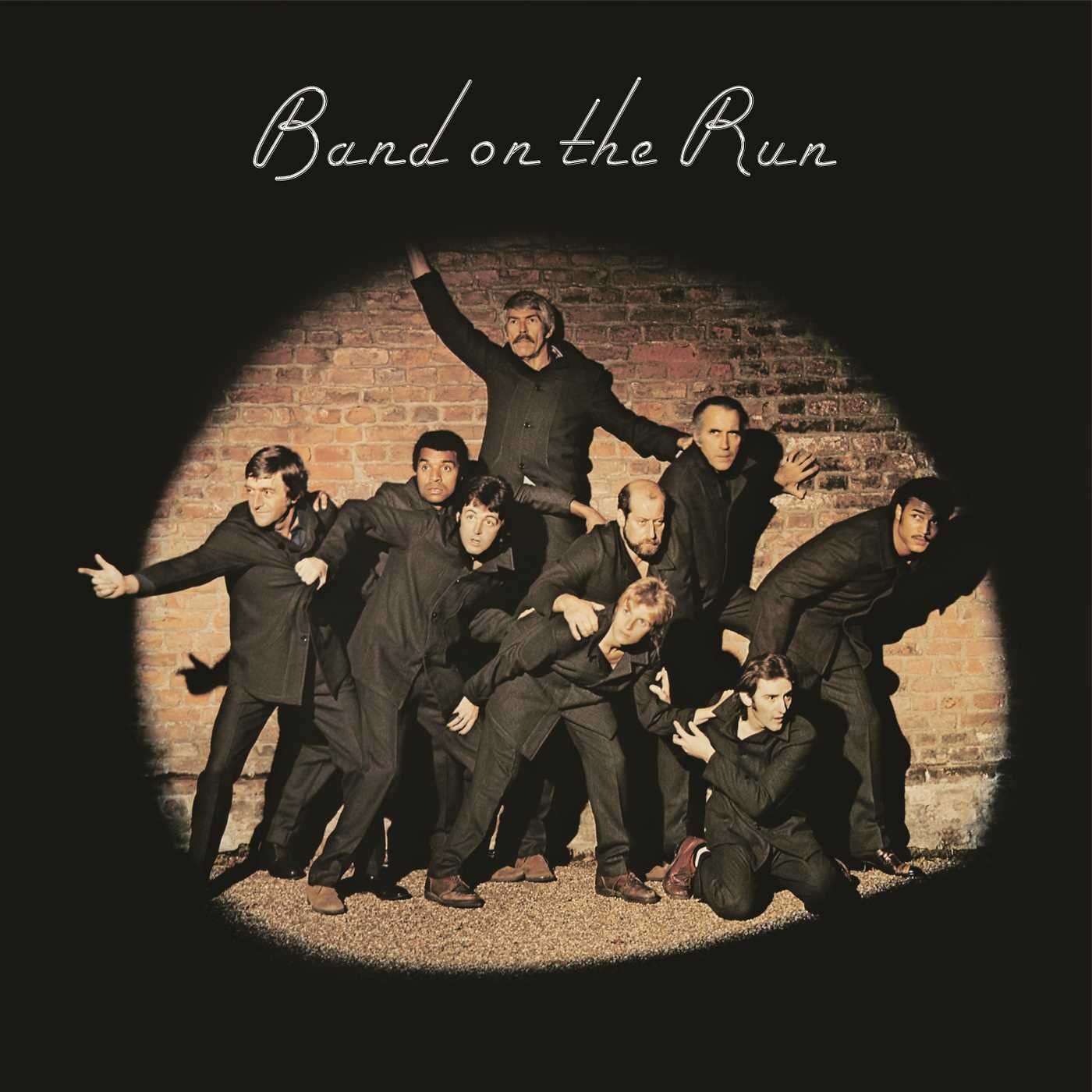
2. Band on the Run by Paul McCartney & Wings (1973)
One of McCartney’s best known records, Band on the Run is half a masterpiece. Side one (as it would have been on the original vinyl release) is solid gold, but the album seriously runs out of steam on side two.
The title track, with it’s various musical sections threaded around a very loose lyrical narrative, has it’s antecedents in ‘A Day In The Life’, the suite of songs that closes Abbey Road and, as Paul Du Noyer points out in Conversations with McCartney, ‘Live and Let Die’ which McCartney wrote almost immediately before recording Band On The Run. The song had more than its fair share of imitators, at least structurally, in tracks such as Queen’s ‘Bohemian Rhapsody’ or ‘I’m Mandy, Fly Me’ by 10cc, but none quite pull off the trick as well as ‘Band On The Run’.
From the meditative, melancholic opening with its lazily sliding guitar chords, wistful synth noodling and sweet vocal harmonies that’s ‘stuck inside these four walls’, to the broodingly angry distorted riffing of ‘if we ever get out of here’ that bursts into the euphoric acoustic strum that hopes ‘you’re having fun’, words and music are in perfect unison. In The Lyrics, McCartney explains that the theme of the song is freedom and that, “A lot of us at that time felt free from the strictures of civilisation. That’s one of the great things about rock and roll: it does allow you to break the rules.” McCartney evokes that renegade spirit perfectly in the line ‘we never will be found’, lending the band on the run a mythical other-worldly quality. As an opener, it’s hard to beat.
As for the following tracks, the words to ‘Jet’ remain delightfully opaque, even after reading McCartney’s ‘explanation’ in The Lyrics; the song is best enjoyed for what it is, a shouty old pop-rocker of the highest order. ‘Bluebird’ might be a slightly poor relation to ‘Blackbird’ but it still boasts a sublime melody that glides effortlessly over a blissful, relaxed bossa nova-like acoustic backing track. Although ‘Mrs. Vandebilt’ is a relatively minor McCartney work, it’s still packed with hooks and is a fine pop tune, and the repetitive, gritty Lennon-esque guitar figure on ‘Let Me Roll It’ slamming up against the bass and drum breakdown is a thrilling rock moment.
Which brings us to side two. ‘Mamunia’ is a wafer thin slice of disposal pop with an irritatingly repetitive chorus; the word ‘ditty’ comes to mind, ‘No Words’ is like a pastiche of late period Beatles that could have been written by ELO or 10cc (i.e. beneath McCartney) and ‘Picasso’s Last Words’ is simply a dirge. Only the rousingly riff-tastic, piano-driven ‘Nineteen Hundred and Eighty Five’ saves the day and brings things to a satisfying conclusion.
As with Let It Be, the circumstances surrounding the recording of Band On The Run go a long way to explaining why it’s such an uneven listen. Two band members abandoned ship on the eve of recording. The regrettable decision to record in Lagos was made where the studio turned out to be half built, there was a cholera outbreak and McCartney was mugged. That anything was recorded is something of a miracle, let alone an album that contains several classics.
Beatles Handbook rating: 4 Stars
Essential tracks Band on the Run Jet Nineteen Hundred and Eighty Five Bluebird Let Me Roll It
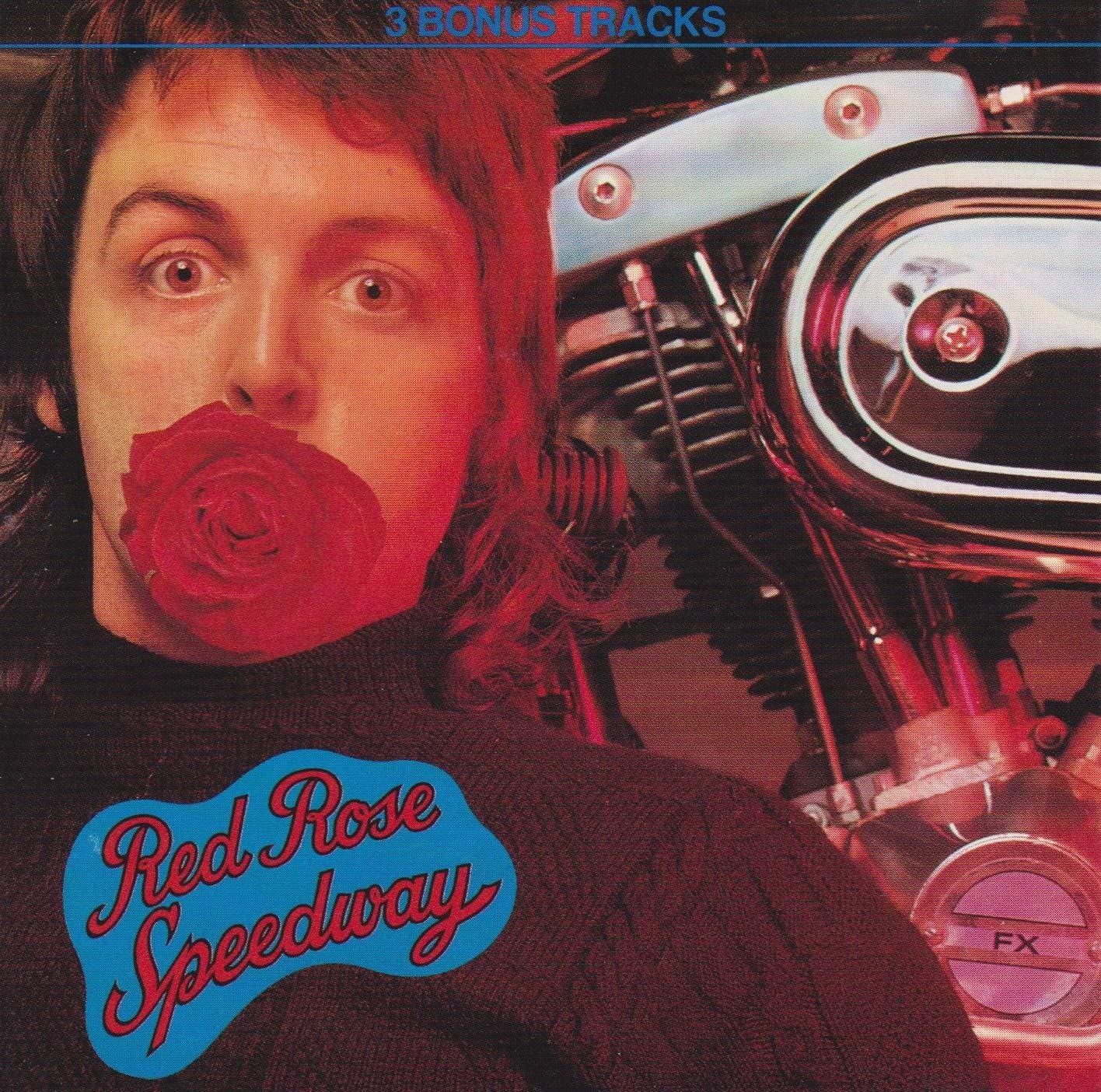
3. Red Rose Speedway by Paul McCartney and Wings (1973)
Red Rose Speedway is one of the most enjoyable albums in McCartney’s entire back catalogue, an opinion not many other people seem to share. Most damningly, producer Glynn Johns walked out on the recording sessions after four weeks, calling the music ‘shite’ and unimpressed by the band’s ‘lackadaisical’ approach, according to Man On The Run, Tom Doyle’s wonderful book on McCartney in the 70s.
Doyle also quotes Linda as describing it as ‘such a non-confident record’ and McCartney himself admitting ‘I don’t remember a lot about it actually. I think the fact that I don’t remember it too well bears that out’. Even Brian O’Conner of the Sodajerker song writing podcast, who chose the album for an episode of I am The Eggpod was equivocal about Speedway, calling it ‘an overlooked entry in the Paul cannon…it’s by no means Paul’s finest work, far from it, but there’s just something about it that keeps bringing me back to it’.
Du Noyer is more positive about the album in Conversations with McCartney, saying that the record marked ‘Paul’s commercial re-emergence’ following the ‘ramshackle’ Ram LP and ‘recovered some of the poise and consistency that was expected of Paul’.
But I don’t care what anybody else says, Red Rose is a consistently great listen with no bad tracks. ‘My Love’ (I’m not sure anything more needs to be said about that guitar solo other than you ought to listen to it again right now) and the exquisite ‘Little Lamb Dragonfly’ aside, it may not reach the heights of the best tracks on Band on The Run, but from the insanely catchy rocker ‘Big Barn Bed’ to the closing medley of ‘Hold Me Tight/Lazy Dynamite/Hands of Love/Power Cut’ McCartney proves that he’s at his best when he stops messing about (see most of McCartney) and embraces his melodic gift.
Given his unrivalled reputation and achievements, it’s tempting to judge all of McCartney’s output against the standard of ‘towering masterpiece of popular music’ and anything that falls below that as somehow being unworthy of anyone’s attention. Red Rose is not a towering masterpiece, but it is bloody great way to spend 42 minutes of your life. Give it a go, you will not be disappointed.
Beatles Handbook rating: 4 Stars
Essential tracks My Love Big Barn Bed Little Lamb Dragonfly Single Pigeon When The Night Loup Buy this album: Red Rose Speedway by Paul McCartney and Wings
Red Rose Speedway is one of the most enjoyable albums in McCartney’s entire back catalogue, an opinion not many other people seem to share.
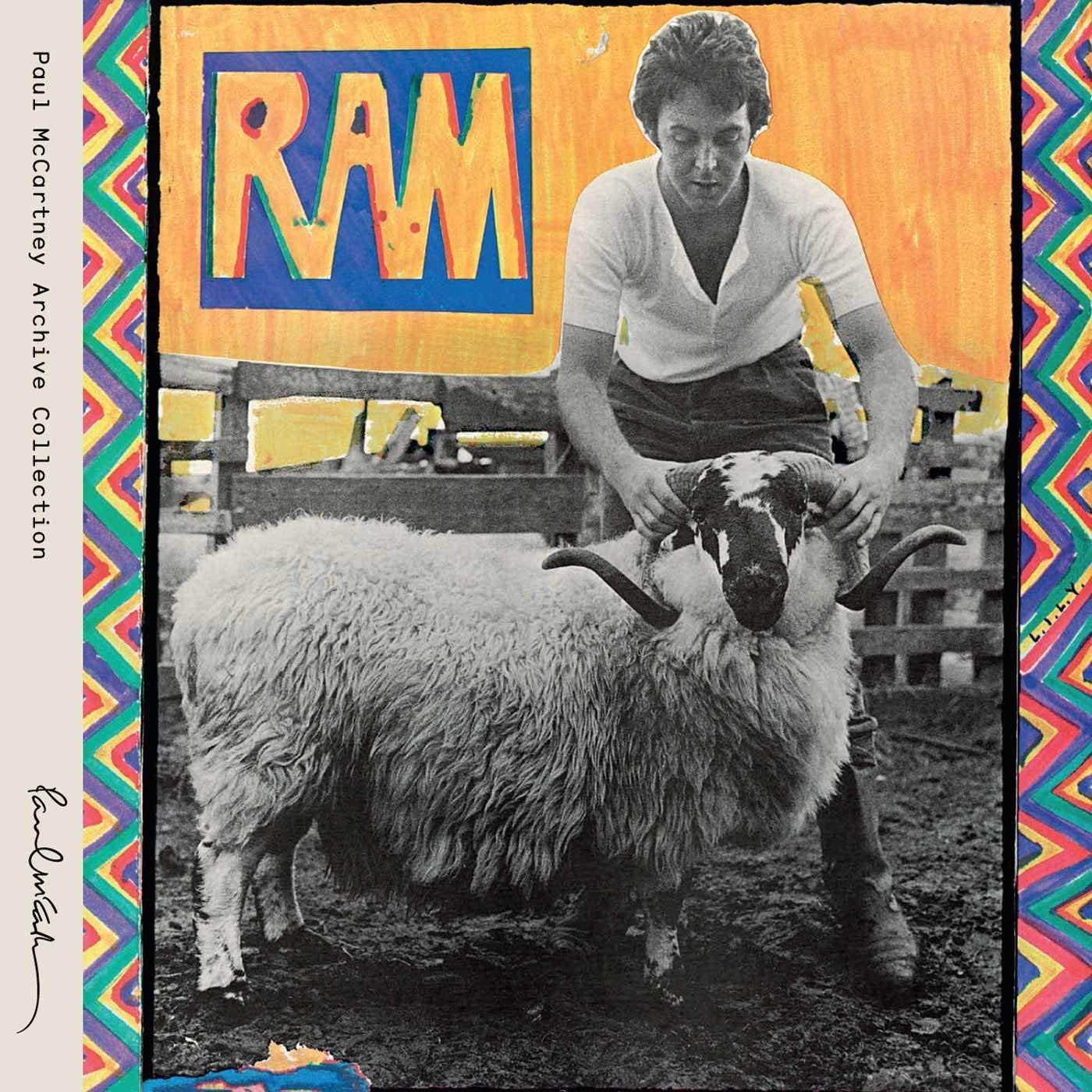
4. Ram by Paul McCartney and Linda McCartney (1971)
McCartney’s second post-Beatles albums suffers from both too many ideas and a paucity of them at the same time. Overtly Beach Boys-influenced tracks such as ‘Dear Boy’ and ‘The Back Seat of My Car’ are packed with ‘baroque detail’ (Tom Doyle, Man on the Run) while tedious, chugging blues riffing sucks any interest from filler tracks like ‘3 Legs’, ‘Smile Away’ and ‘Eat At Home’. In between these two extremes, we find the six minute long, unnecessarily complex yet lumpen Hey Jude-alike ‘Long Haired Lady’ staggering on vainly in search of a melody that remains stubbornly furtive. The John and Yoko diss track ‘Too Many People’ features some nice melodies and twangy guitar work, but a weak chorus and the endlessly noodling outro ultimately proves that negativity doesn’t best serve McCartney’s muse.
But there are high points. ‘Ram On’ has a beguiling other-worldly feel, with a Beach Boy-ish melody soaring over a few simple strummed ukulele chords. In ‘Monkberry Moon Delight’, McCartney delivers surreal lyrics in an effectively scratchy, croaking growl over a mid-tempo stomping backing track with a great arrangement (including some nice BVs from Linda) that sustains interest over the five and half minute duration. ‘Heart of the Country”s laid back, bluesy feel, intimate relaxed vocal from Paul and memorable, hooky chorus make for an enjoyable listen. A minor transitional work; there was so much better to come.
Beatles Handbook rating: 3 Stars
Essential tracks Ram On Monkberry Moon Delight Uncle Albert/Admiral Halsey Back Seat Of My Car Dear Boy Heart of the Country Buy this album: Ram by Paul McCartney and Linda McCartney
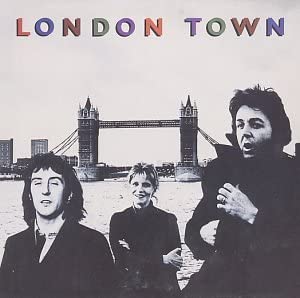
5. London Town by Wings (1978)
A disparate collection of tunes that pinballs from catchy pop (‘With a Little Luck’, ‘Cafe On The Left Bank’) to funk and soul (the instrumental ‘Cuff Link’ and album standout ‘Girlfriend’) to touching ballad (‘I’m Carrying’) to folky strum (the Steeleye Span-ish ‘Children Children’, the forgettable ‘Famous Groupies’ and the memorable ‘Deliver Your Children’) to Beatle-like bluesy trudge (‘I’ve Had Enough’).
If that wasn’t enough, McCartney throws in an Elvis impersonation on the hard rocking ‘Name and Address’ and a helping of faux fiddle-di-de on ‘Morse Moose And The Grey Goose’. As the follow up to Speed of Sound, it’s a let down for sure but there are some exquisite songs including the beguiling title track and slow burning ‘Don’t Let It Bring You Down’ (I do love a McCartney/Laine co-write) that make it worth persevering with. Few would want to listen to the entire overlong, meandering mélange too many times, but there’s plenty to enjoy and admire here once you’ve picked your way through the clutter.
Beatles Handbook rating: 3 Stars
Essential tracks With a Little Luck Don’t Let It Bring You Down Girlfriend London Town Cafe on the Left Bank Deliver Your Children I’m Carrying Backwards Traveller
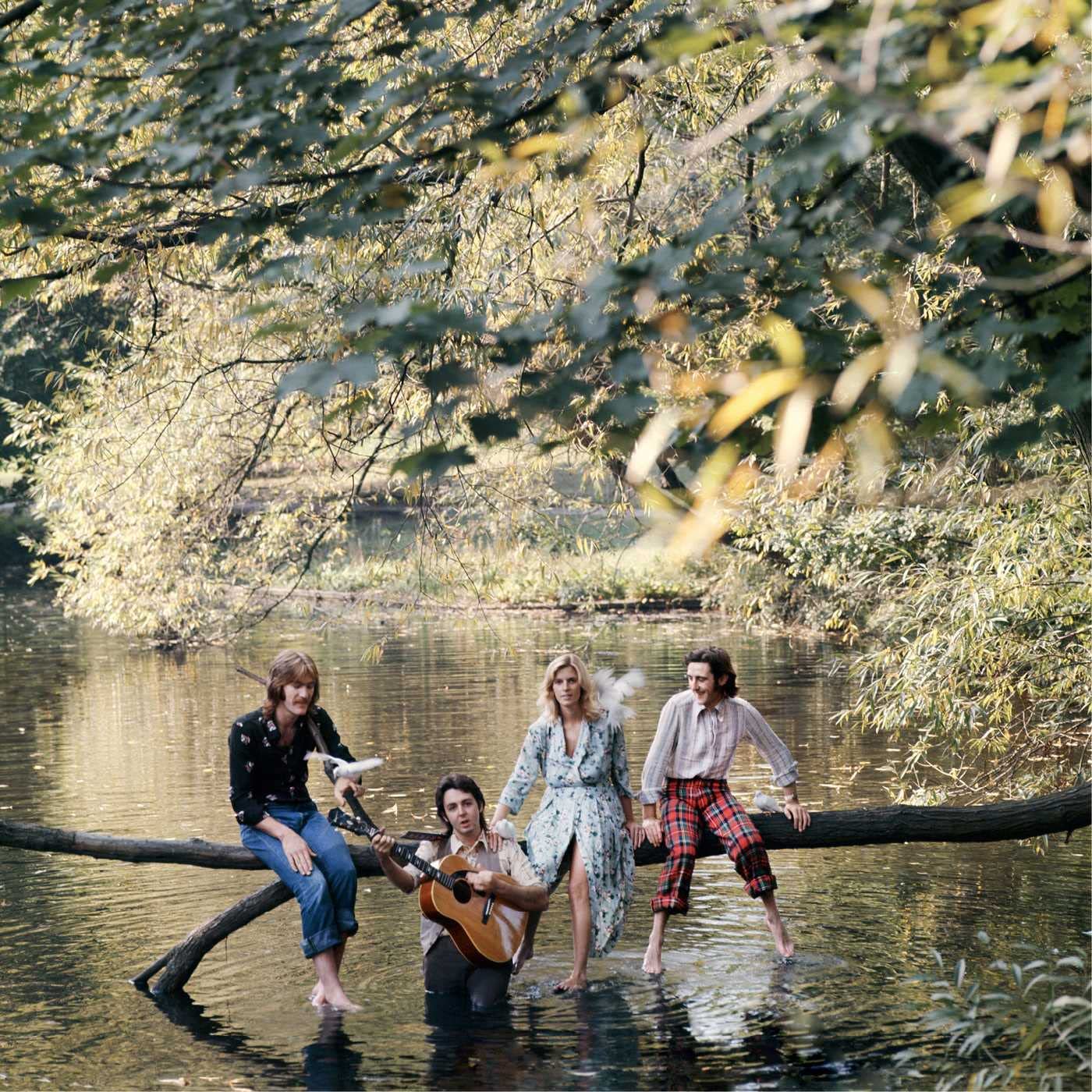
The fact that there are two people named Denny playing on Wild Life (guitarist Laine and drummer Seiwell) might be the most interesting thing about this album. As Paul, Linda and their then new found mates bugger around for a good half of the 38 minute running time, I find my mind wandering. “Surely one was called Danny? I mean, it’s like Madonna making a record with someone else called Madonna. Or there being two Derrens, or Davinas. Did McCartney originally hire Denny Laine because his name sounds a bit like Penny Lane? Were the Dennys referred to only by their surnames to avoid confusion in the studio, or did they have numbers, like Thing One and Thing Two? Two Dennys, what are the odds…”.
When I can focus on the music as it drifts by, other questions occur to me such as ‘The title track, ‘Some People Never Know’ and ‘Dear Friend’ are all wonderful. Why didn’t McCartney just try harder?” and, “Hadn’t McCartney ever heard of EPs”. That is perhaps a little unfair, as the four songs on what would have been side two of the original release hang together well and display many of McCartney’s best attributes as a songwriter. But it’s an uneven listen overall with McCartney still finding his feet in a post-Beatles world.
Beatles Handbook rating: 3 Stars
Essential tracks Wild Life Some People Never Know Dear Friend
And it all starts so well. ‘Venus and Mars’ is one of those snaking ear-worm melodies that McCartney seems to be able to pull out of thin air. The chiming guitar chords and harmonising bass notes seem to be taking the music to somewhere unexpected. But suddenly we’re into ‘Rock Show’ and everything turns bog standard vanilla with McCartney wailing about ‘rock’n’roll at the Hollywood Bowl’ like he’s completely run out of ideas for lyrics. It’s just horrible.
Although there’s far too much turgid 70s rock on the record, it’s far from all bad. There’s the haunting ‘Love in Song’, beautiful ‘Treat Her Gently’ and of course ‘Listen To What The Man Said’, a highlight of McCartney’s work in the 70s and one that foreshadows the treasures in store on Speed Of Sound.
Beatles Handbook rating: 3 Stars
Essential tracks Treat Her Gently – Lonely Old People Listen To What The Man Said Love In Song
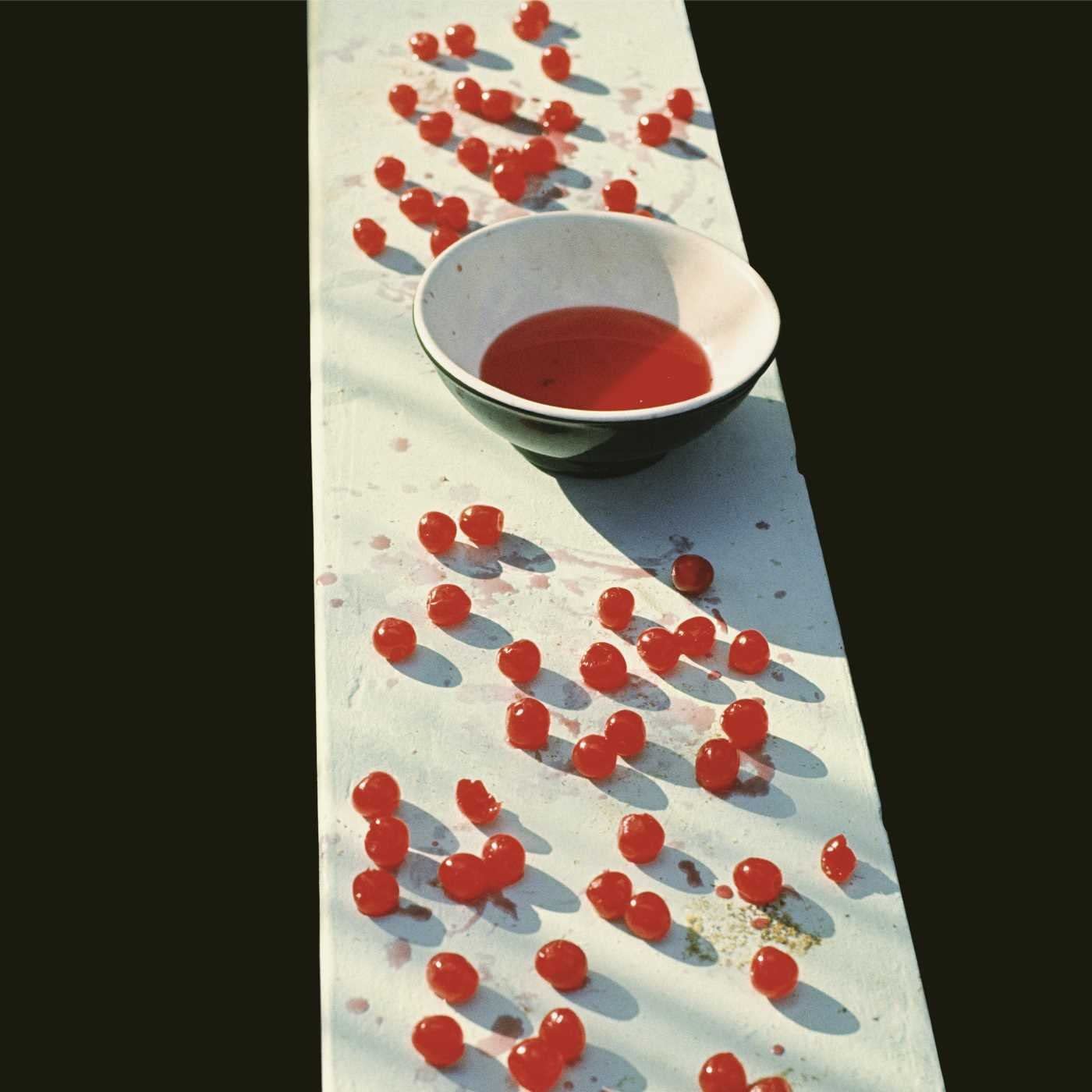
It’s worth noting the historical context in which this album was made before you read the damning verdict that follows. McCartney’s first solo album was recorded while he was still officially a Beatle and during the band’s messy break up. It says something profound about McCartney’s unrelenting drive as a creative force (and his ambition) that he would seek to begin to establish his musical identity as a solo artist even as his role as band member/leader was being painfully taken from him.
McCartney unquestionably documents an important moment in popular musical history. But it also documents Paul dicking about by himself for the majority of the running time, making it an extremely unrewarding listen. But among all the under-developed, under-produced inconsequential whimsy, McCartney manages to pull out three stunners just to remind the world of his genius.
Although ‘Every Night’ would have benefitted from a more detailed arrangement, it is a beautifully constructed, hook laden ballad where a pensive melancholic verse resolves effortlessly into a joyful, celebratory chorus. It wouldn’t be out of place on a late period Beatles album. It’s not surprising that it’s been covered many times, including a striking version by Richie Havens. ‘Junk’ is a gorgeously simple acoustic ballad with a floating wistful melody and a lyric about consumerism that feels very contemporary. But the true stand out is ‘Maybe I’m Amazed’ – the instantly recognisable piano riff, bluesy impassioned vocal, carefully constructed guitar solos and the remarkable lyric, a love song about ‘fear and loneliness’ as McCartney explains in The Lyrics.
Despite the presence of these three classics, McCartney remains an album for completists only.
Beatles Handbook rating: 2 Stars
Essential tracks Maybe I’m Amazed Every Night Junk
An album not worthy of your time. The sophisticated blue-eyed soul of the Michael McDonald influenced ‘Arrow Through Me’ is a great track and ‘So Glad To See You Here’ provides Eagles of Death Metal with a template for an entire career (the similarity to that band’s particular brand of perky, bouncing 12 bar riffing is really quite spooky) but there really is not much else to appeal in another motley selection of uninspired second and third rate compositions.
McCartney sounds uncomfortable in his own skin, trying on a variety of musical disguises, from the Bowie-ish ‘To You’ to the punky ‘Spin On It’, none of which really suit him. Yes, he can pull off a jazzy 20s style ballad with ‘Baby’s Request’, complete with some lovely vocal harmonies, but the question is why bother? It’s a b-side at best and adds one more unnecessary ingredient to an already muddy musical stew.
Beatles Handbook rating: 2 Stars
Essential tracks Arrow Through Me So Glad To See You Here Getting Closer
The least interesting aspect of this book is Paul McCartney’s lyrics. That is not to say Paul McCartney is not a great pop and rock lyricist; he is arguably the best in the history of the form. But deprived of the oxygen of musical accompaniment, the words die a little on the page. It may seem an obvious thing to say, but lyrics are written to be sung, not read as poetry. As Poet Laureate Simon Armitage points out, ‘Songwriters are not poets. Or songs are not poems, I should say. In fact, songs are often bad poems. Take the music away and what you’re left with is often an awkward piece of creative writing full of lumpy syllables, cheesy rhymes, exhausted cliches and mixed metaphors.’
While that description doesn’t fit McCartney’s work, you sort of know what he means. The genius of McCartney as a lyric writer is that his words are not opaque and convoluted as poetry can sometimes be, but are often simple, direct and honest. It’s what makes his songs so popular and relatable and in particular what makes him the finest composer of love songs in the history of popular music.
So, why then spend £75 on a two volume, 921 page, slipcase bound set of large format hardback books full of 154 examples of McCartney’s words when you’d be better off just listening to them as was originally intended? Because The Lyrics is Paul McCartney’s autobiography by stealth. Each lyric, an eclectic and sometimes eccentric selection that covers his entire career from boyhood to the present day, is a jumping off point for McCartney to not only explain the creative process behind the song’s composition but reminisce about the time it was written. As he explains in the introduction , the songs are his diary and ‘illuminate something that was important in my life at that moment’.
The accompanying commentary to each alphabetically ordered lyric is based on transcriptions of 50 hours of conversations between McCartney and the poet Paul Muldoon that took place over 24 sessions between 2015 and 2020. The effect is very much like being around a pub table with Sir Paul and the poet, earwigging on a relaxed nostalgic chat. Taking the first and last songs in the book as examples, we learn that ‘All My Loving’ was written on a tour bus and backstage in 1963 when The Beatles were on a package tour of Moss Empire theatres in the UK on a bill with the likes of Roy Orbison and that, although he and Jane Asher were ‘courting’ at the time, the lyrics are more about being on the road than a specific relationship. Written in 1967 for the Magical Mystery Tour album, ‘Your Mother Should Know’ was inspired by a visit to McCartney’s London residence in Cavendish Avenue by his Auntie Jin from Liverpool who had come to lecture him on the ‘sin of smoking pot’.
One of the other great joys of the book is the previously unseen photographs, letters and drafts from McCartney’s archive. Thrill to the re-production of Sir Paul’s hand written lyrics to ‘Mull of Kintyre’ (OK, so that might be many people’s least favourite Macca song, but it’s undeniably of genuine historical importance, at least in terms of the British pop charts); swoon to the candid shots of Linda, pre-70s feather cut looking like the Princess of Pop she actually was; marvel at McCartney and Youth from Killing Joke hand-painting the cardboard boxes used for the cover art for the pair’s Electric Arguments album made under name of The Firemen. There’s also a fantastic picture of McCartney’s Sgt. Pepper costume, an alternative design for the drum skin featured on the album cover and more hand written lyrics, this time the album’s title track complete with Beatles-as-Lonely-Hearts-Club-Band doodle.
While there are plenty of McCartney’s best known songs here, including ‘I saw Her Standing There’, ‘Lady Madonna’, ‘Hey Jude’, ‘Let It Be’, ‘Band On The Run’, ‘Jet’, ‘Waterfalls’, ‘No More Lonely Nights’ and many more you would hope and expect to have made the cut, there are also some rum old choices. ‘Check My Machine’ is the B-side of Waterfalls and consists mostly of the the title repeated over and over, while ‘Cook of the House’ is a throwaway track from Wings at The Speed of Sound that is not much more than a shopping list. More interestingly, there are fan-favourite ‘deep cuts’ like the intriguing ‘House of Wax’ from Memory Almost Full and ‘Junk’ from McCartney (1970).
Even if the lyrics are the least interesting thing about the book, it is nevertheless a delight to read them, denuded even as they are, especially narrative songs like ‘Another Day’ and ‘Eleanor Rigby’. ‘Silly Love Songs’ is a masterclass in just saying what you bloody mean; how can you beat ‘I love you’ for the chorus of a love song?
The Lyrics is a beautiful object that as been compiled with real care and attention. Even at the full price (although you will almost certainly find it heavily discounted), it overdelivers. It is the perfect introduction to McCartney’s life and work and may even offer something new to all those dedicated, longstanding Beatle maniacs out there. An essential purchase.
Most songwriters would give their right arm for just one of the melodies, riffs or chord sequences on Revolver. The playing is terrific too. From the looping bass, taut guitar stabs and crisp drumming of the opening ‘Taxman’, to the hallucinatory ‘Tomorrow Never Knows’ with that legendary, defining Ringo drum pattern, The Beatles sound like the tightest band on the planet. And they don’t just hit the back of the net with rock, pop and psychedelia; whatever they turn their hand to on the album is pure gold, from the heart-breaking pathos of ‘Eleanor Rigby’ with its haunting double string quartet arrangement, to the achingly tender ‘Here, There and Everywhere’, arguably McCartney’s most beautiful love song. With every track a banger (and no, I’m not excluding ‘Yellow Submarine’ which has the hookiest chorus ever written), it’s unquestionably the highpoint of The Beatles recording career. An awe-inspiring achievement, especially when you consider it was released only eight months after Rubber Soul and that many of the tracks wouldn’t even make a top 20 of The Beatles best known songs.
Beatles Handbook rating: 5 Stars
Essential tracks Eleanor Rigby Here, There and Everywhere And Your Bird Can Sing Got To Get You Into My Life Tomorrow Never Knows
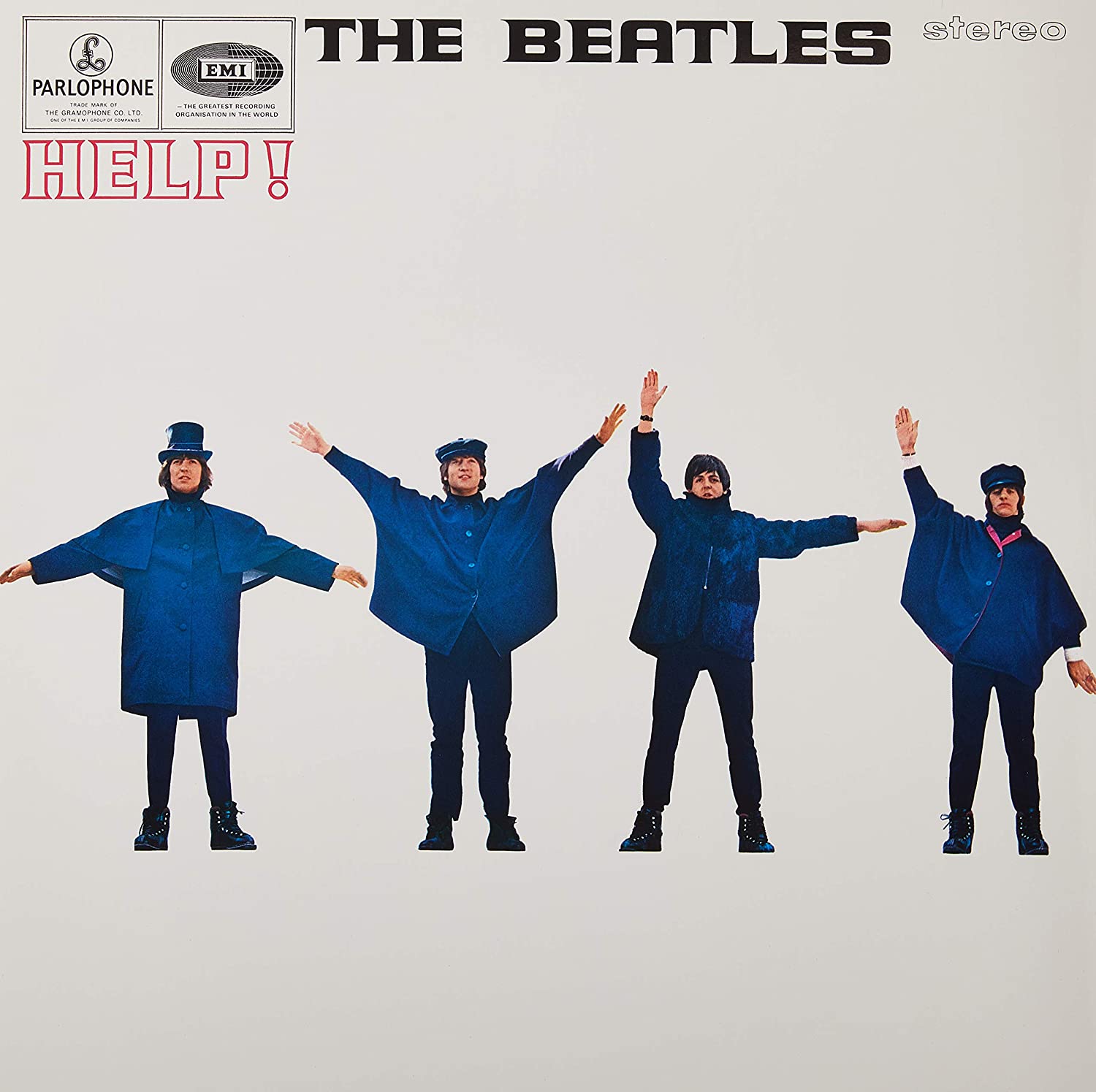
For any other band, Help! would be a greatest hits album. But because this is The Beatles, it’s just another shift in the mop tops’ factory of greatness. With what must be the most impactful beginning of any pop album, ‘Help!’ makes for a direct, startling opening statement, vulnerable and yet uplifting as though by simply making the request, Lennon has made himself feel better. With only one track tipping the three minute mark (Ticket To Ride at a hardly epic 3m9s), the band rattle though 14 perfect slices of guitar pop. Every track is a cracker, including the Ringo-sung ‘Act Naturally’. As astonishingly excellent as the film it soundtracks is appallingly bad.
Beatles Handbook rating: 5 Stars
Essential tracks Help! The Night Before You’ve Got to Hide Your Love Away You’re Going to Lose That Girl Ticket To Ride
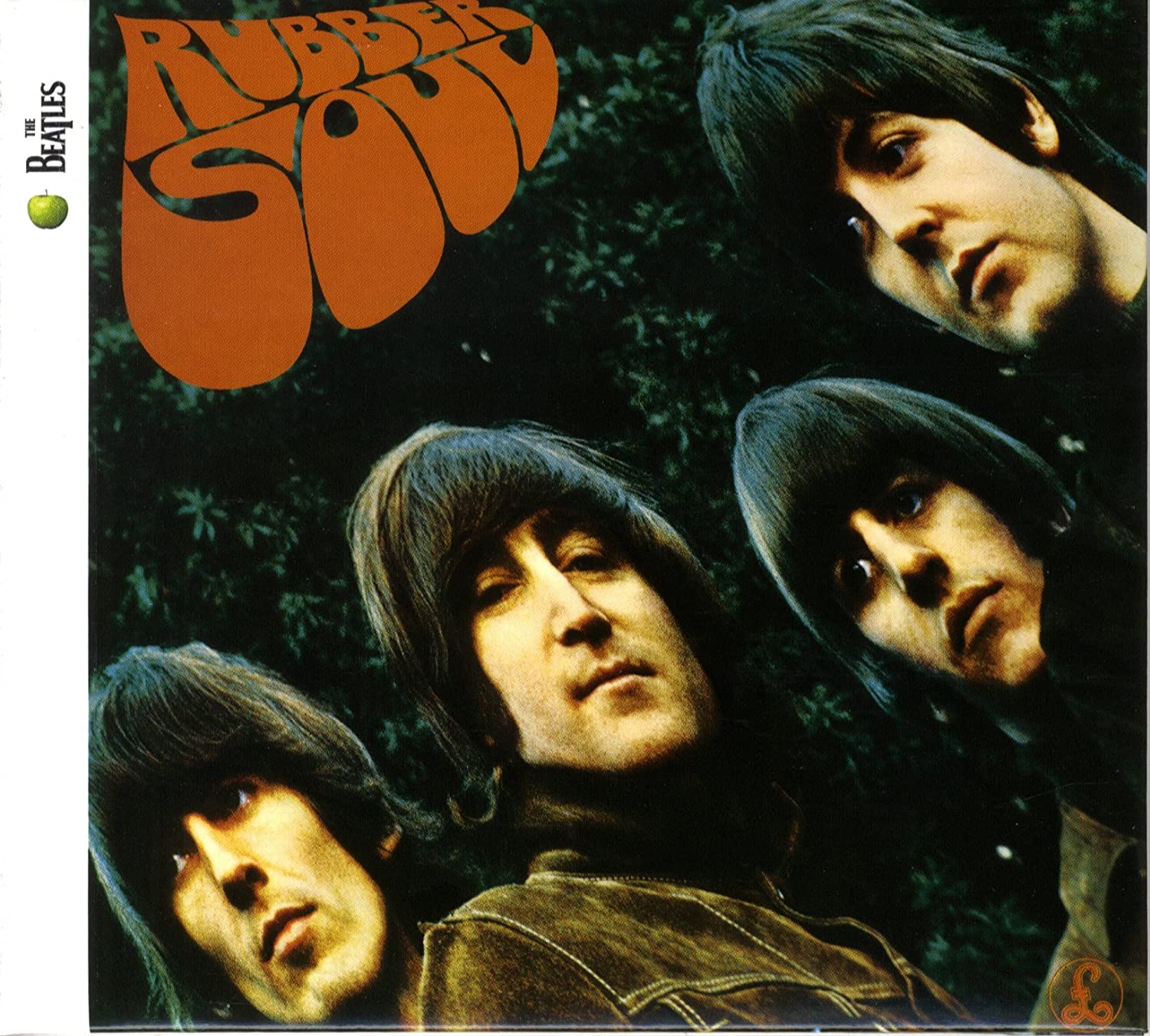
It’s amazing what you can do with some tight guitar riffs, even tighter vocal harmonies, passing piano chords and a killer hook line. ‘Beep, beep, beep, yeah’ indeed. It’s incredible to think that, a little more than two years earlier, the same four lads were banging, thrashing and crooning their way through a disparate rag bag of rudimentary rockers and schmaltzy ballads. And ‘Drive My Car’ is just one of any number of sophisticated, mature, memorable and melodic songs on what isn’t even their best album. It may be a music mag all-time-best-list staple but it can’t quite keep pace in terms of quality with Help! or Revolver, but make no mistake, this is a band close to the very height of their powers sounding both assured, thrilling and moving by turns.
Beatles Handbook rating: 4 Stars
Essential tracks Drive My Car Norwegian Wood Nowhere Man The Word Girl I’m Looking Through You In My Life
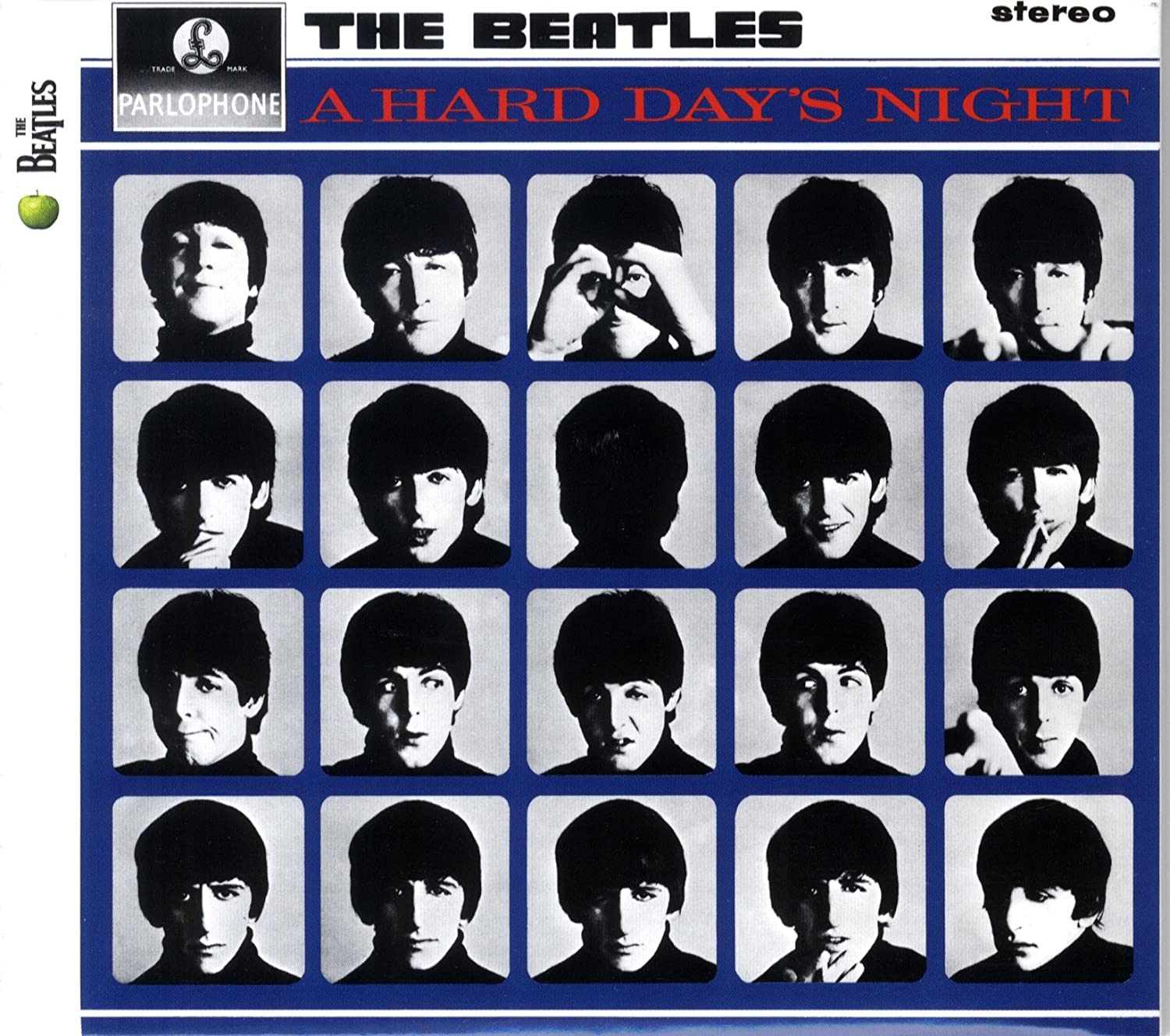
As Luke Haines recently noted in his column in Record Collector, “the opening chord of ‘A Hard Day’s Night’… singlehandedly seemed to usher in a new era”. It certainly ushered in a new era for the mop tops themselves with what might be considered by contemporary listeners as their first ‘proper’ album. Most of the Hamburg hard edges have been sanded off and chugging rock’n’roll for the most part replaced by sophisticated song writing with ace melodies and harmonies. Lennon dominates, taking lead vocals on nine out of the thirteen tracks and, according to beatlesarchive.net, writing ten, but McCartney still manages to make a big impression with his three contributions; the hauntingly beautiful ‘And I Love Her’ (the signature opening guitar motive courtesy of Harrison), the instantly catchy ‘Things We Said Today’ and of course the timeless classic ‘Can’t Buy Me Love’. Harrison is given ‘I’m Happy Just To Dance With You’ to sing, one of the weaker numbers that wouldn’t have been out of place on Please Please Me or With The Beatles but it’s still a pleasant enough sub-two minute listen. A great album that soundtracks the band’s finest moment on film.
Beatles Handbook rating: 4 Stars
Essential tracks
A Hard Day’s Night I should Have Known Better If I Fell And I Love Her Can’t Buy Me Love Things We Said Today I’ll Be Back
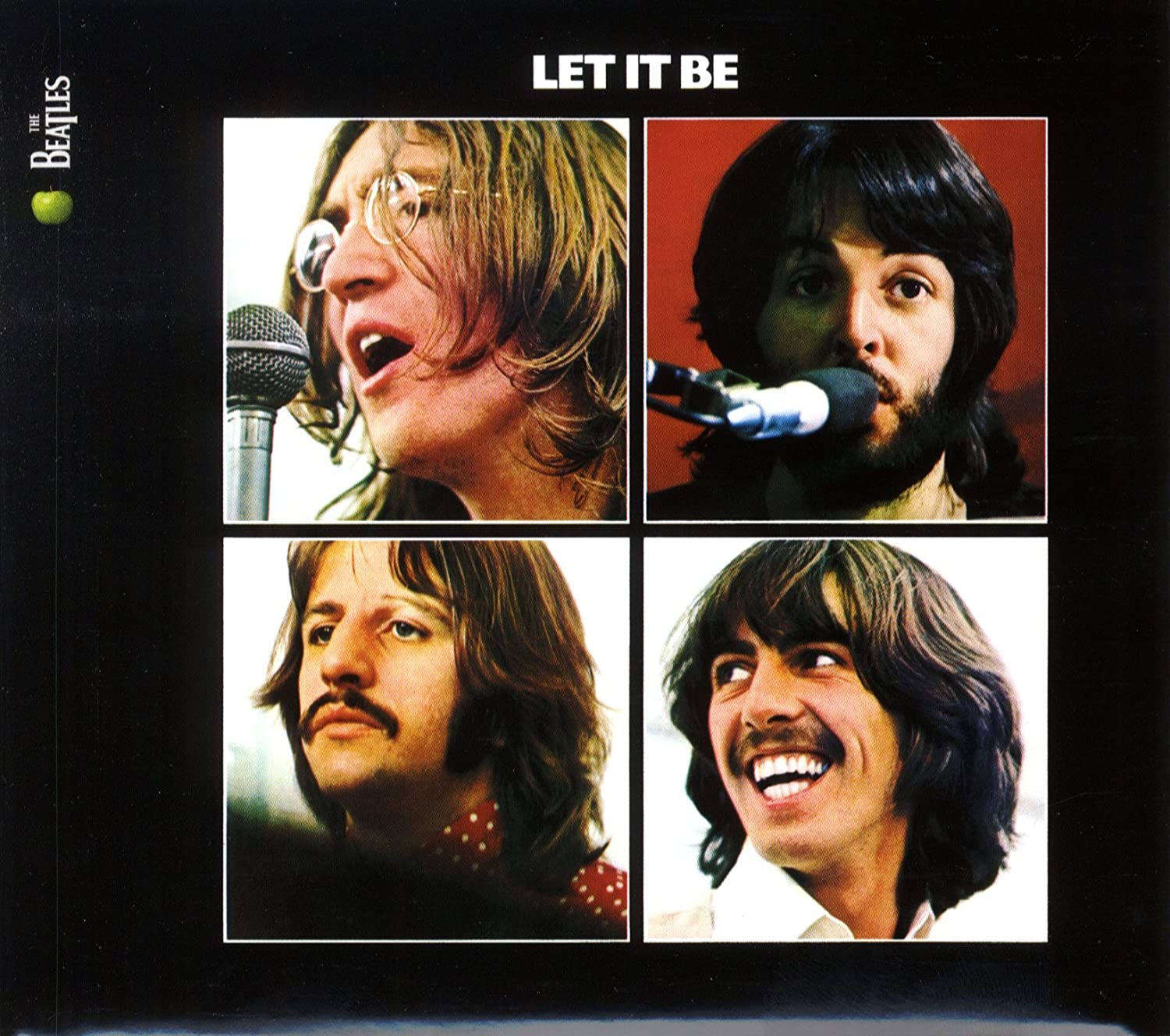
An album that includes songs of the quality of ‘Across The Universe’, ‘Let It Be’, ‘The Long and Winding Road’ and ‘Get Back’ should rate five stars, but it’s actually somewhat of a disappointment. The inclusion of two sub-one minute tracks (‘Dig It’ and ‘Maggie Mae’), a piece of Lennon juvenilia in the form of ‘One After 909’, and Harrison’s lightweight ‘For You Blue’ gives Let It Be an uneven quality. That’s exacerbated but the inclusion of second division songs (at least in the context of The Beatles catalogue) ‘Dig a Pony’ and ‘I’ve Got a Feeling’, but it’s hardly surprising once you’ve seen the film Get Back and understand the chaotic nature of the rehearsal and recording sessions for the album. McCartney’s touching and wistful ‘Two of Us’ and Harrison’s waltzing ‘I Me Mine’ are the album’s two relatively hidden gems.
Beatles Handbook rating: 3 stars
Essential tracks Two of Us Across The Universe I Me Mine Let It Be The Long and Winding Road Get Back
Where to start with The Beatles by The Beatles? An album that sounds like an extended re-issue of itself with bonus tracks that should never have seen the light of day (WTAF is Wild Honey Pie?). Starting at the beginning is actually a very good idea as you get to hear ace rocker ‘Back In The U.S.S.R’., the dreamy psychedelia of ‘Dear Prudence’ and the archly self-referential ‘Glass Onion’. Then the problems start. Oh bloody hell, it’s ‘Ob-La-Di, Ob-La-Da’, McCartney at his absolute worst, culturally appropriating a story that’s not his to tell over a weird and horrible umpah-meets-cod-reggae backing track. Jesus wept. At least the aforementioned ‘Wild Honey Pie’, the next track up, with its faux avant garde stylings has the decency to last a merciful 53 seconds.
I’m not going parse all 30 tracks of this sprawling mess, but suffice to say that to get to every magnificent song such as Harrison’s ‘While My Guitar Gently Weeps’, Lennon’s ‘Julia’ or McCartney’s ‘Blackbird’ you have to wade through dreck like ‘The Continuing Story of Bungalow Bill’ or the more than eight unlistenable minutes of ‘Revolution 9’ (if anyone tries to tell you that, actually, that’s their favourite Beatles song, run). It is however almost worth the slog to end up at one of the loveliest songs the band ever recorded, ‘Good Night’, affectingly sung by Ringo.
Beatles Handbook rating: 3 stars
Essential tracks Back In The USSR Dear Prudence While My Guitar Gently Weeps Happiness Is A Warm Gun Martha My Dear Helter Skelter Julia Mother Nature’s Son Everybody’s Got Something to Hide Revolution 1 Cry Baby Cry Good Night
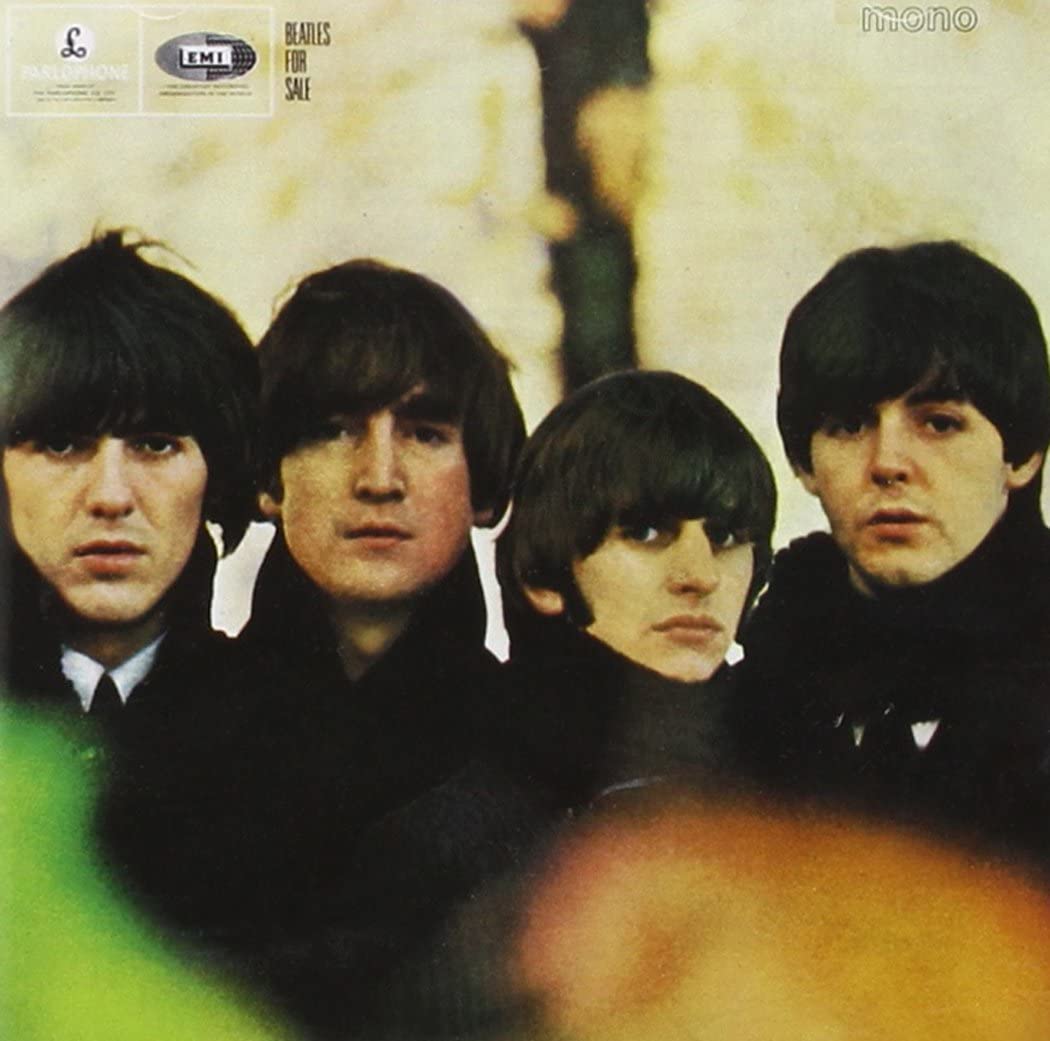
Sorry, I’m not buying. Compared to the giant leap forward that was A Hard Day’s Night, Beatles For Sale is a big step back. But let’s be fair; it was released just 21 weeks after Hard Day and was the fabs fourth album in two years. No wonder they resorted to padding out the 33 minute running time with no less than six cover versions. We are sadly back in Hamburg it seems, but at least Chuck Berry’s ‘Rock’n’Roll’ and Leiber/Stoller/Penniman’s ‘Kansas City’ sound convincingly raucous. The less said about Ringo’s rather painful stab at Carl Perkins’ ‘Honey Don’t’ the better. Of the originals, ‘Eight Days a Week’ is the obvious stand out but the nakedly vulnerable, confessional lyrics of ‘I’m A Loser’ are striking, ‘Every Little Thing’ is a beautifully constructed pop song full of hooks, and Harrison’s twelve string riff gives ‘What You’re Doing’ a distinctive sound that would be much copied by the likes of The Byrds.
Beatles Handbook rating: 3 stars
Essential tracks No Reply I’m A Loser I’ll Follow The Sun Eight Days a Week Every Little Thing What You’re Doing
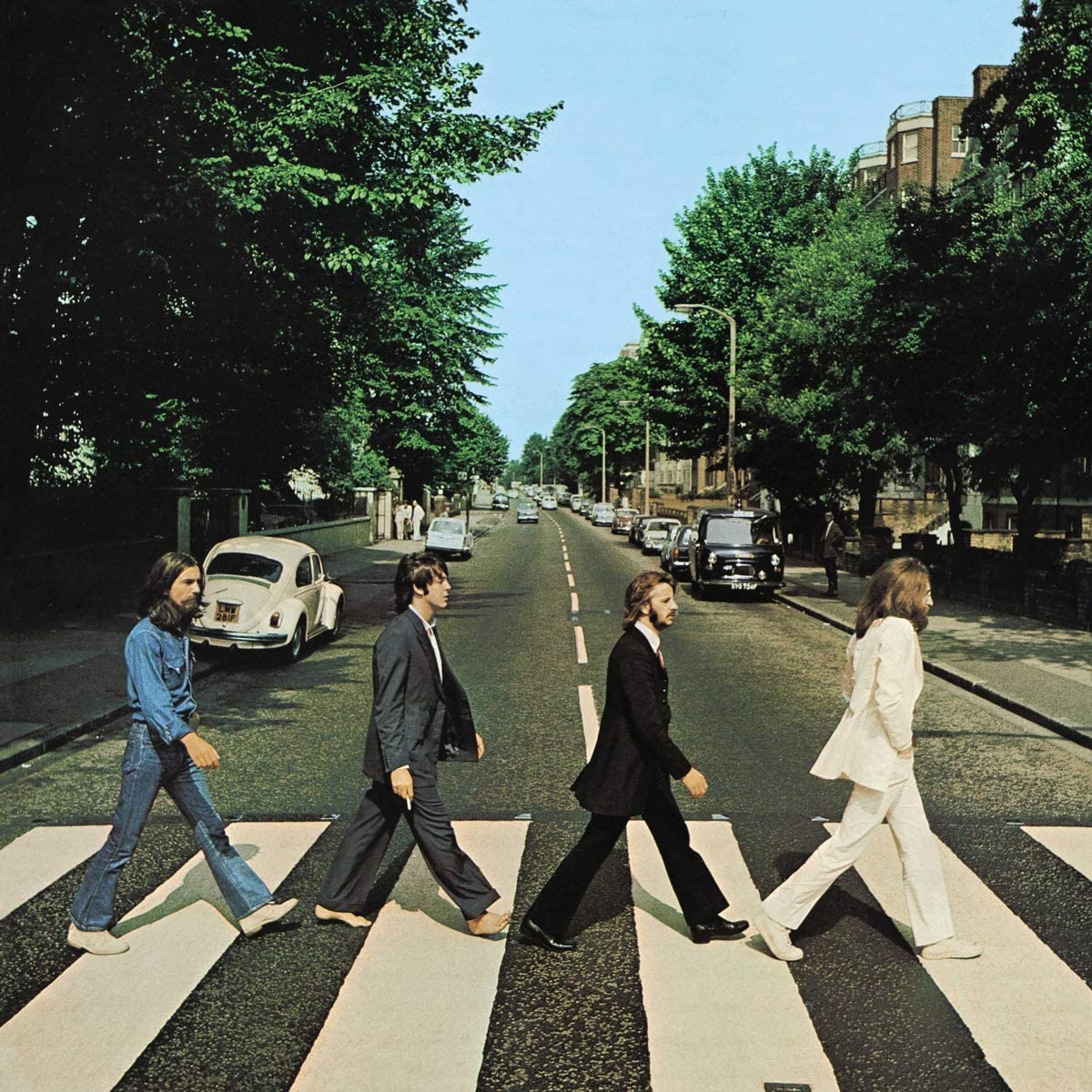
The band’s final recordings (although penultimate release; Let It Be appeared eight months later) are sadly a rather scrappy affair. Harrison comes out on top with two stone cold, all time classics in ‘Something’ and ‘Here Comes The Sun’, not only the best songs on the album, but among the best he ever wrote and among the best of the entire Beatles catalogue. Lennon’s strident ‘Come Together’ makes an ear-grabbingly effective opener, especially with Ringo’s rolling drum pattern, one of the most famous in pop history.
Beyond that, things get rather messy. Apart from inventing three chord punk nearly a decade before the Sex Pistols with ‘Polythene Pam’, there is McCartney’s music hall fetish in the form of ‘Maxwell’s Silver Hammer’, the white man’s doo-wop of ‘Oh! Darling’ and whatever the hell ‘Octopus’s Garden’ is meant to be to contend with. Not to mention a patience-testing 7 minutes 47 seconds of ‘I Want You (She’s So Heavy)’, although the extended instrumental outro is pretty mesmerising.
There are some stunning moments scattered around, ‘Sun King’ is a rather lovely thing, reminiscent of Fleetwood Mac’s ‘Albatross’, and there are some great melodies on ‘You Never Give Me Your Money’ and ‘Golden Slumbers’, but ultimately the album fails to cohere in the same way as Revolver or Help!.
Beatles Handbook rating: 3 Stars
Essential tracks Something Here Comes The Sun Sun King You Never Give Me Your Money Golden Slumbers
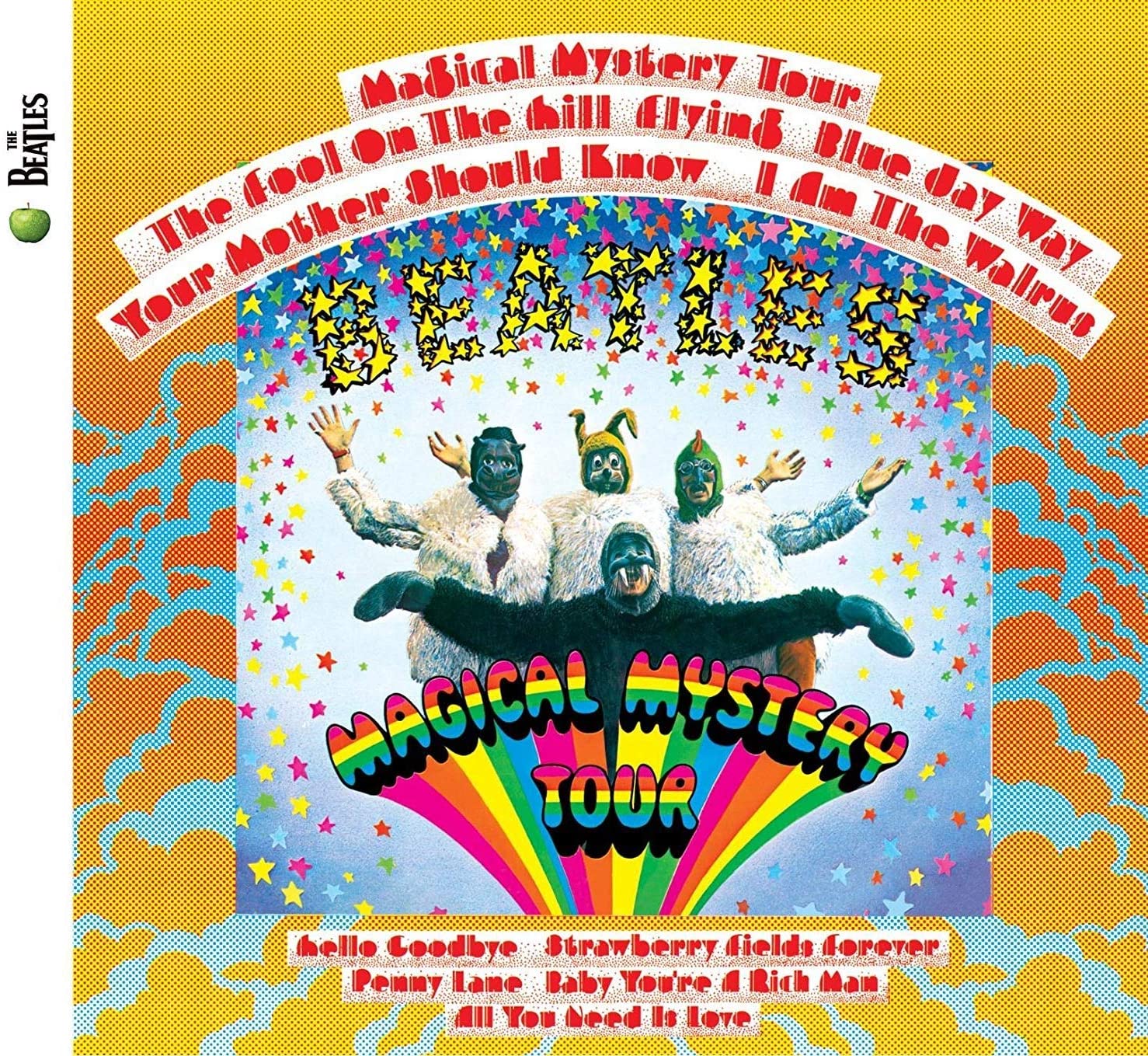
Not a full studio album as such but a compilation of a double ep soundtrack to a made-for-TV film plus some singles. It might be a bit of a mess thematically (as is the film itself, and that’s putting it mildly) but that’s hardly a rare trait in the Beatles album canon and it does contain some of The Beatles best-known songs. The original British ep release not only included the rousing title track (a far better signature tune for a concept than St. Pepper’s) but ‘The Fool On The Hill’ one of McCartney’s greatest and most unusual compositions, ‘I Am The Walrus’, Lennon’s most successful stab at musical and lyrical surrealism, and Harrison’s remarkable, woozy and weird ‘Blue Jay Way’ (is there anything in pop or rock that sounds quite like it?).
The collection of non-album A and B sides that make up the rest of the album is almost ridiculous in terms of its quality. ‘Hello, Goodbye’, ‘Strawberry Fields Forever’, ‘Penny Lane’ and ‘All You Need Is Love’ are of course among the cream of the Beatles crop; even ‘Baby, You’re A Rich Man’, the B-side of ‘All You Need Is Love’ is a cracker.
Because it’s status as an album is questionable and having all those non-album singles on it is sort of ‘cheating’ in the context of the band’s other releases which lack that advantage, it appears lower down on this list than it might do. A great listen, especially for those whose favourite Beatles album would be ‘The Best of The Beatles’.
Beatles Handbook rating: 4 stars
Essential tracks The Fool On The Hill I Am The Walrus Blue Jay Way Hello, Goodbye Strawberry Fields Forever Penny Lane All You Need Is Love
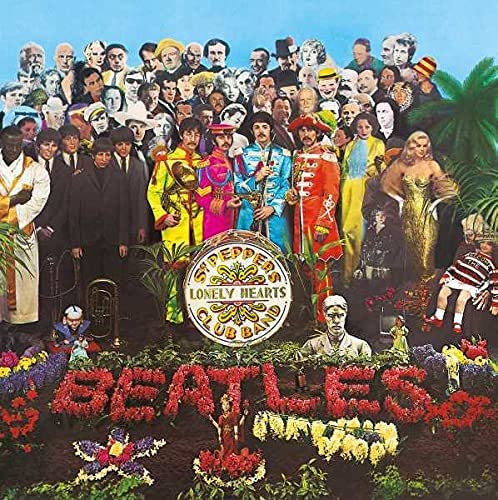
The first Beatles album I bought as a kid, aged 11. I never really liked it and now, more than four decades years later, I still don’t. It sounds to me like a band losing their way; the Sgt Pepper’s conceit merely a way of bringing some sort of cohesion to a very disparate group of songs written by musicians with one eye on the exit door. You can either view the juxtaposition of ‘Within You Without You’ and ‘When I’m Sixty Four’ as audacious and daring or simply desperate. ‘Lucy In The Sky’ has aged badly into try-hard psychedelia; ‘Fixing a Hole’ is uninspired, lumbering and mundane, ‘She’s Leaving Home’ is a re-tread of the vastly superior ‘Eleanor Rigby’ and ‘Being For The Benefit of Mr. Kite!’ is much less clever and much less listenable than Lennon probably thought it was. ‘A Day In Life”s haunting refrain is swamped by over production and the unwelcome intrusion of McCartney’s ‘middle eight’. It’s a striking, innovative piece but I’m not sure I’d ever want to listen to it for fun. It’s another album that would make a great EP with ‘With A Little Help From My Friends’ and Ringo’s touchingly performed vocal providing the lead track.
Beatles Handbook rating: 3 stars
Essential tracks With A Little Help From My Friends Getting Better Lovely Rita Good Morning Good Morning
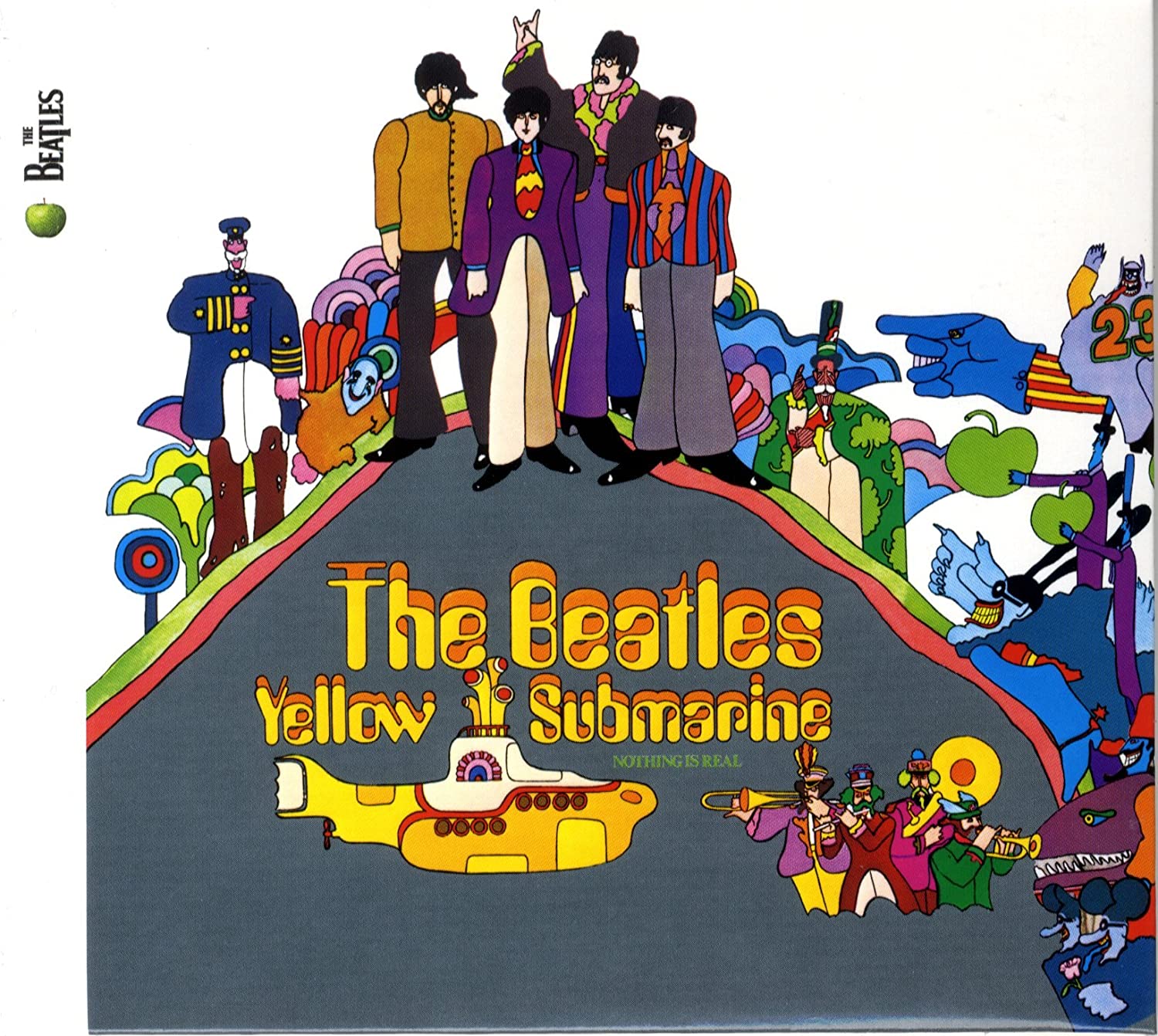
A curio in The Beatles album canon. The soundtrack to the animated film contains only four previously unreleased songs, the rest of the running time made up from the title track, which previously appeared on Revolver, ‘All You Need Is Love’ which was a single and also collected on Magical Mystery Tour, and George Martin’s instrumental orchestral music for the film, none of which will be troubling us here. Unusually, Harrison gets two out of the four new cuts and both are very decent examples of late period Beatles. The inventive and unusual ‘Only A Northern Song’ is built around a loping bassline and random-sounding soundscape of squawling trumpets and backwards tape loops that is much easier on the ear than that description might sound. ‘It’s All Too Much’ is a medium paced stomper with a droning organ riff and busy percussion track supporting a lilting verse melody and catchy chorus hook that all adds up to a distinctive and enjoyable addition to the bands catalogue. ‘Hey Bulldog’s driving piano riff underpins a snarling, menacing Lennon vocal to great effect, but McCartney’s throwaway knees up ‘All Together Now’ irritates rather than amuses. One for Beatles collectors rather than the general listener.
Beatles Handbook rating 3 Stars
Essential tracks Northern Song Hey Bulldog It’s All Too Much
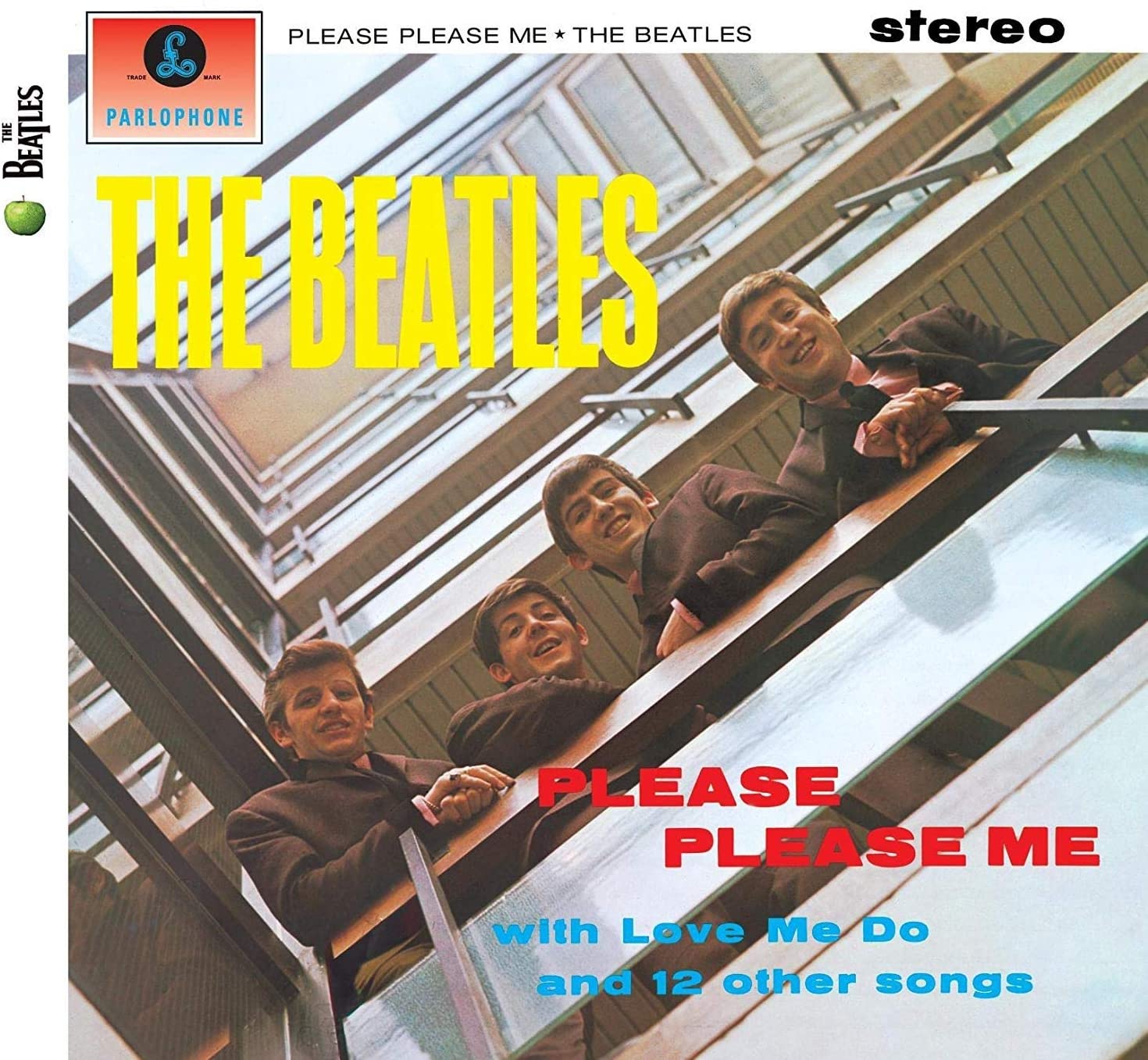
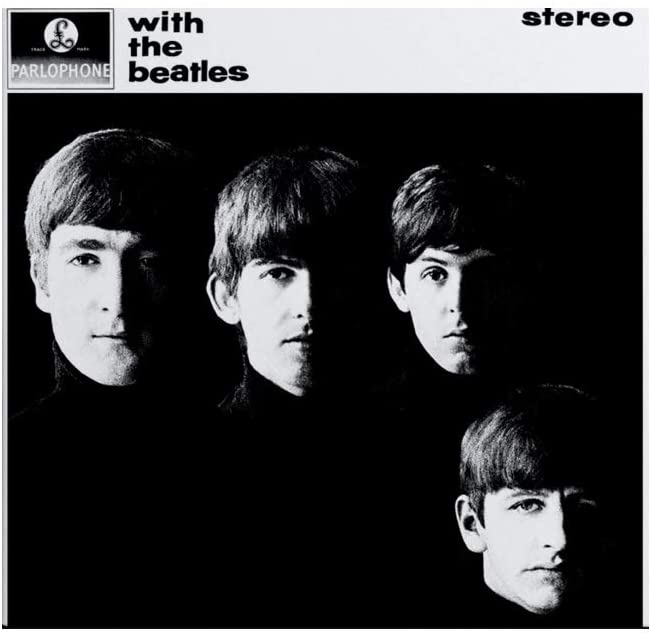
Released shortly after their return from their extended show band stint in Hamburg, Please Please Me sounds like a historical recording from an ancient civilisation. That the album sounds underwhelming now should come as no surprise; after all, The Beatles had been so busy performing for eight hours a day that they hadn’t quite got around to creating modern pop music.
Instead, we get a rather underpowered impersonation of The Beatles’ rock’n’roll heroes (‘I Saw Her Standing There’ sounds pretty energetic until you play ‘Good Golly Miss Molly’ immediately after and Little Richard really blows your hair back) along with some pretty schlocky and sappy love songs. The title track hints at the greatness to come, as does Lennon’s plaintive harmonica refrain on ‘There’s A Place’ and the song’s touchingly introspective lyrics. Ringo’s forceful, driving vocal on ‘Boys’ is another highlight.
For those that lived through the era, it’s no doubt an essential album and that has to be respected, but if you missed out on those heady days this is a record you can probably live without.
Beatles Handbook rating 2 Stars
Essential tracks Please Please Me Do You Want To Know A Secret Baby It’s You Boys There’s A Place
Released eight months after Please Please Me, the band’s second album sticks pretty much to the debut’s formula with again, eight originals and six covers including Chuck Berry’s ‘Roll Over Beethoven’. It’s a similar mix of rockers and sappy love songs but this time there’s a high quotient of original top pop tunes including the urgent opening track ‘It Won’t Be Long’, the timeless classic ‘All My Loving’ and Harrison’s sombre and relatively overlooked ‘Don’t Bother Me’. But as an album, it still sounds too much like it’s based around a got-to-please-them-all Hamburg set list.
Beatles Handbook rating 2 Star
Essential tracks It Won’t Be Long All My Loving Not a Second Time Don’t Bother Me
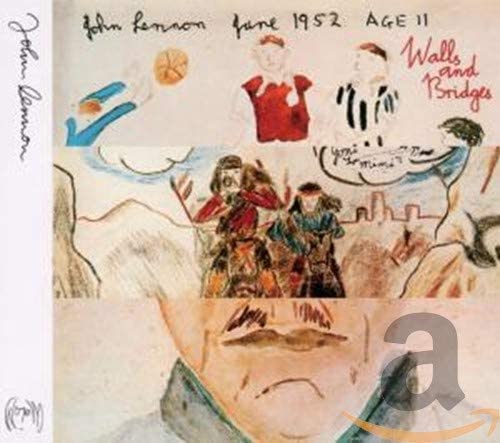
1. Walls and Bridges by John Lennon (1974) Lennon’s most complete, satisfying and well produced solo album containing some of his finest post-Beatles songs. Head and shoulders above his other albums which by comparison seem under-developed.
Essential tracks Whatever Gets You Through The Night #9 Dream Steel and Glass
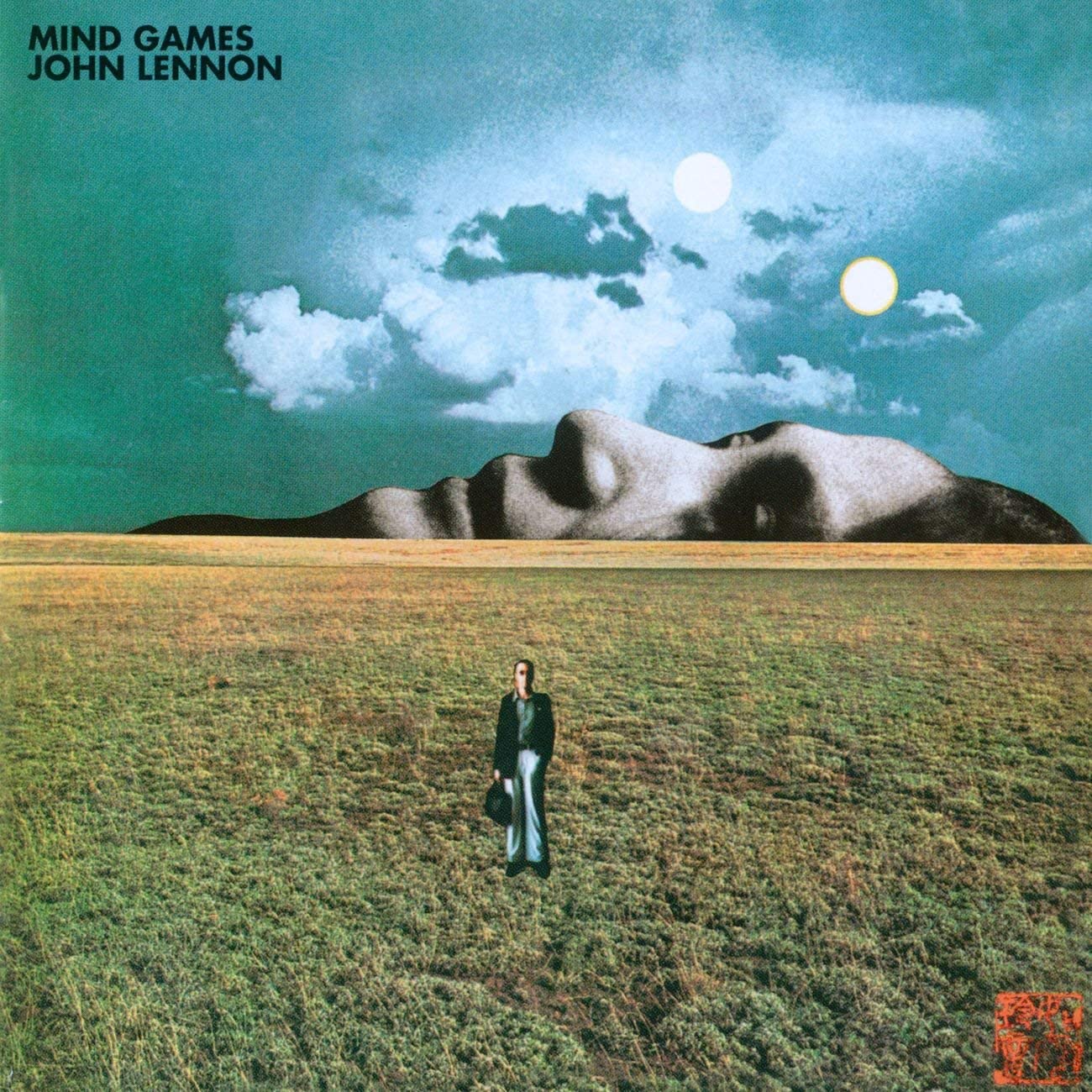
Mind Games is the first great solo Lennon song and the album is his most consistent effort up to that point. Thankfully, the clumsy sloganeering that characterised his previous album Some Time In New York City is set aside, allowing Lennon’s emotional side to shine.
Essential tracks Mind Games Aisumasen (I’m sorry) Bring On The Lucie Beatles Handbook rating: 3 stars Buy this album: Mind Games by John Lennon
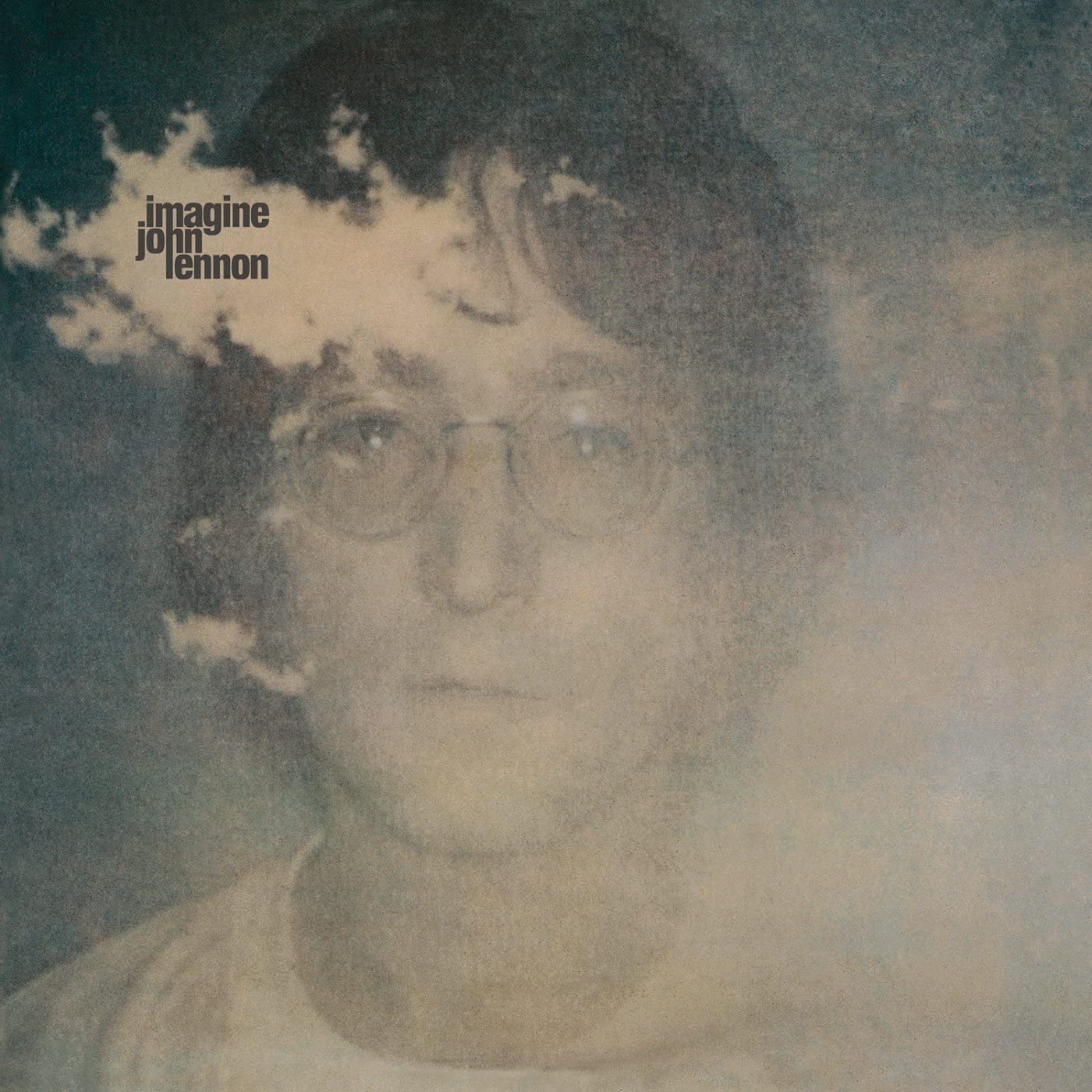
3. Imagine by John Lennon (1971)
A pretty solid collection including some beautiful heartfelt love songs is marred by self indulgent nonsense like Crippled Inside, I Don’t Wanna Be A Soldier Mama (a none-more-70s title) and the execrable title track.
Essential tracks Jealous Guy Oh My Love Oh Yoko Beatles Handbook rating: 3 Stars Buy this album: Imagine by John Lennon
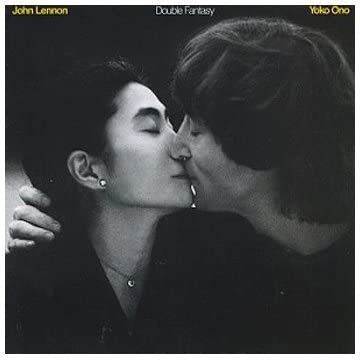
4. Double Fantasy by John Lennon and Yoko Ono (1980) A bizarre mix of Lennon’s MOR tracks alternating with Ono’s post punk stylings that make for an unsettling and wholly unsatisfying listen, despite the presence of some great songs by both parties. A side each would have made so much more sense, but at least we now we know what a collaboration between Jeff Lynne and Hazel O’Connor would sound like.
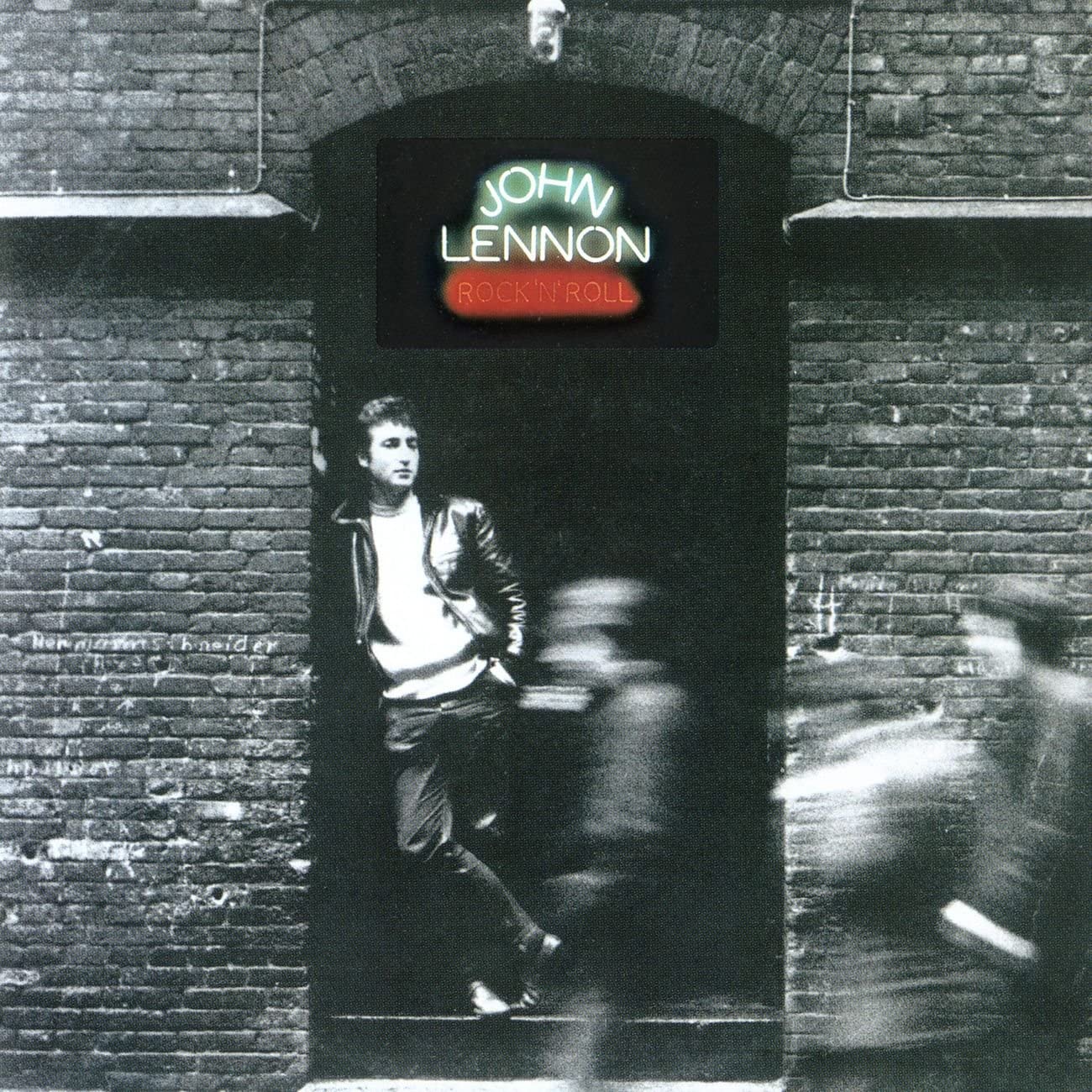
Lennon puts his back into a set of cover versions of songs from his not that distant youth with more success than most of the British chart act revivalists of the time (Showaddywaddy et al). A footnote to a catalogue that doesn’t really have room for one.
Essential tracks Slippin’ and Slidin’ Be-Bop-A-Lula Ain’t That A Shame
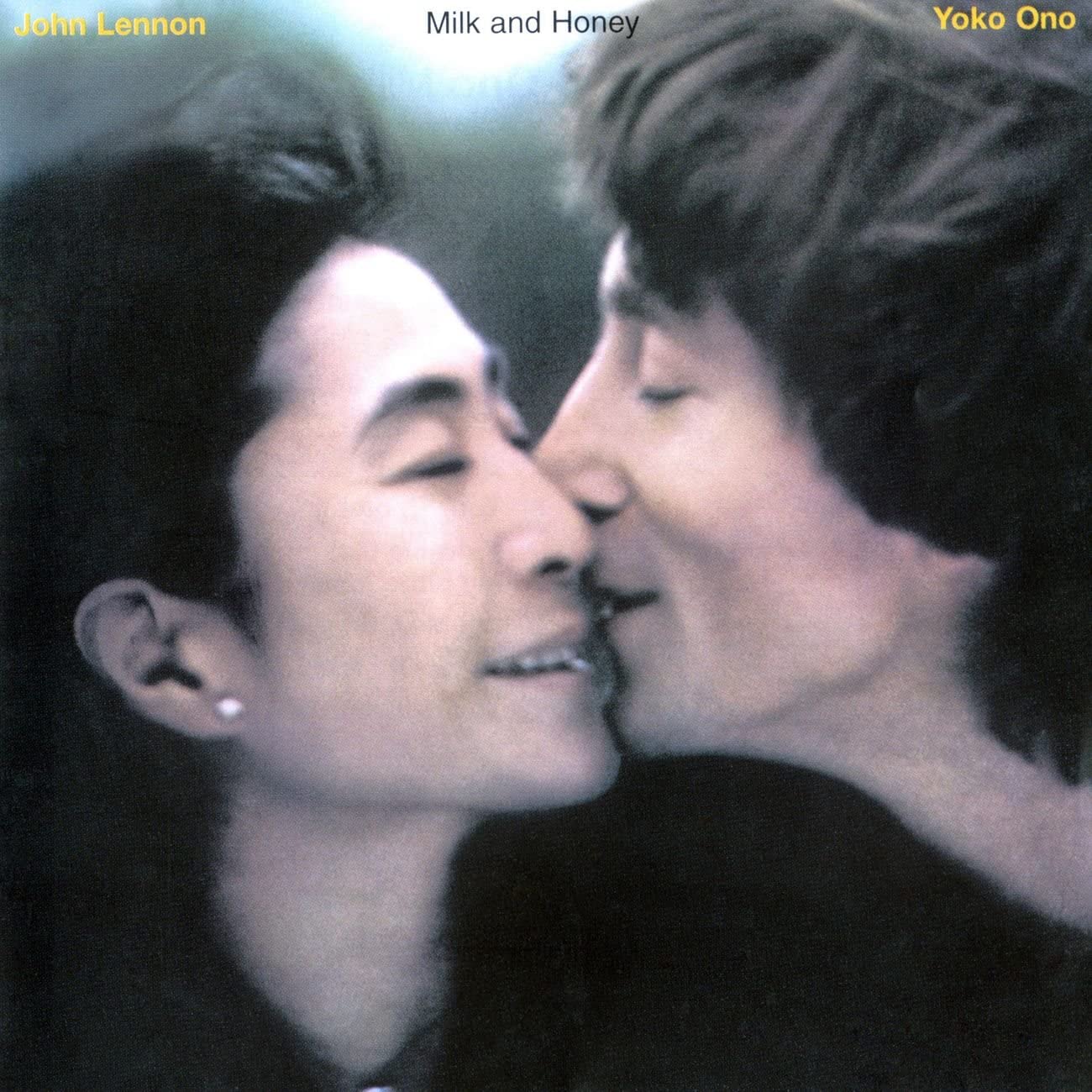
6. Milk and Honey by John Lennon & Yoko Ono (1984)
A big old posthumously-released mess of a cash-in. The mix of Lennon demos (and some completed tracks) and newly recorded Ono originals refuses to gel into a cohesive whole. Not the most dignified end to a career.
7. John Lennon/Plastic Ono Band by John Lennon (1970)
Solipsistic, self pitying, morbid and badly underproduced…and that’s just ‘Working Class Hero’. Mostly unlistenable apart from a few saving graces. A bad beginning to Lennon’s solo career (I think we can safely ignore the false starts of Two Virgins and Life With The Lions).
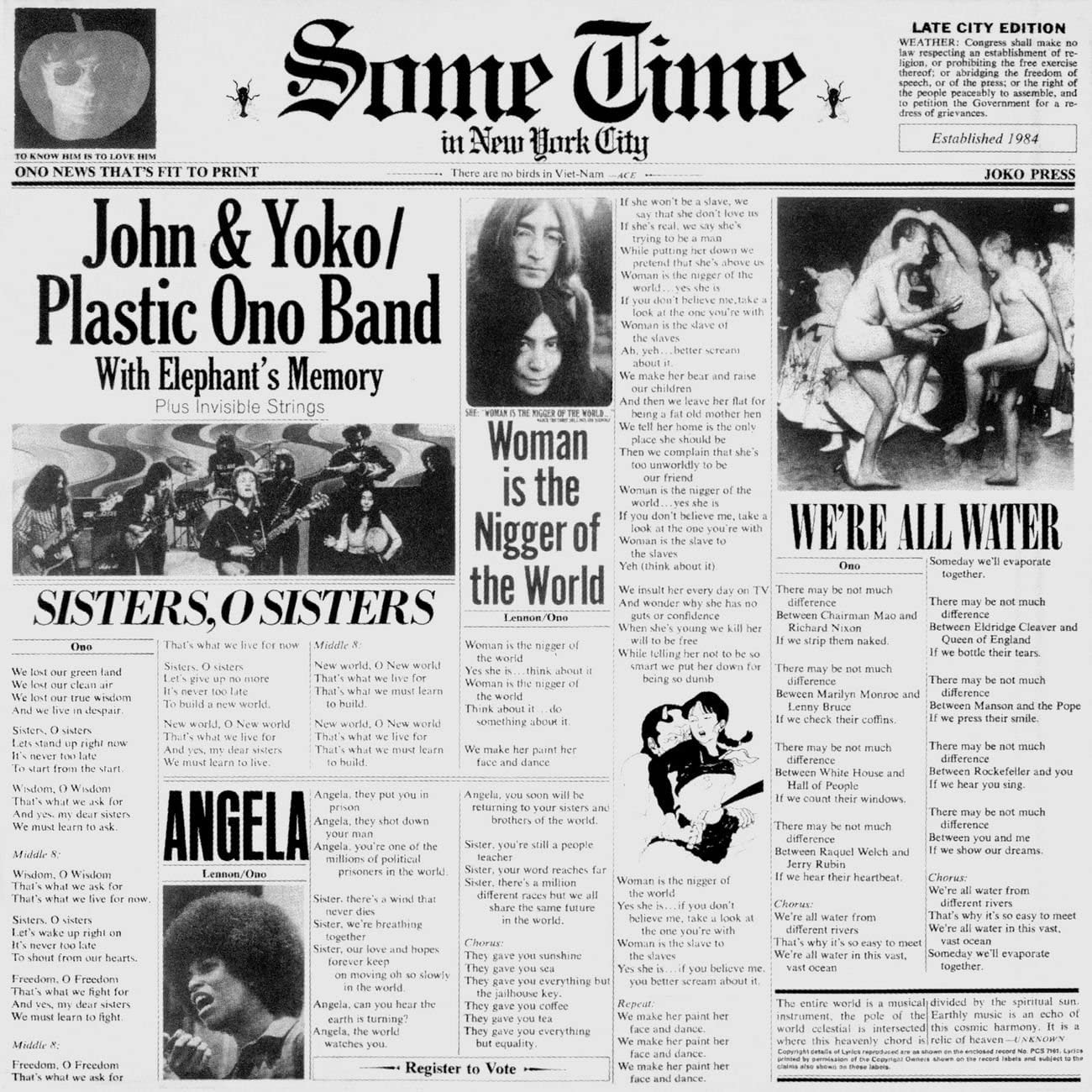
8. Sometime In New York City by John Lennon (1972)
Hard to credit a man in his 30s could have written some of the more juvenile lyrics on this album. In the 21st century, the opening track has become even more of an ideological minefield than when it was first released; best skipped over for everyone’s sake. The overtly anti-establishment sentiments occasionally mesh well with some hard rock stylings to create moments of true excitement, but Some Time is mostly a chore to listen to, especially Yoko’s 7 minute-long filler ‘We’re All Water’.
Essential tracks Attica State Sunday Bloody Sunday Angela





 the-beatles.uk