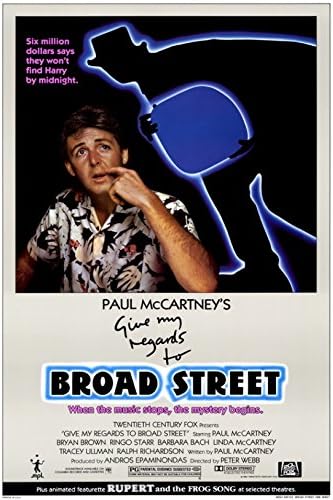
Give My Regards To Broad Street is an absolute blast, but only if you adopt the following strategy. Every time you find yourself scratching your head at an illogical plot point or a random sequence that appears to have nothing to do with the rest of the film, repeat this mantra: ‘Paul is the Beatle King, he can do anything’. Accept that, because of his song writing genius, McCartney had earned the absolute right to do what the hell he liked with his expensive, self indulgent folly of a film and you will have a very enjoyable 1hr and 48mins.
Ignore the damning 20% Rotten Tomatoes score and the savage reviews (in his one star review, Roger Ebert said, ‘Broad Street supplies us with a fake crisis, paper-thin characters, and long musical interludes that have been photographed with a remarkable lack of style…the movie treads water with idiotic dream sequences’). Ignore that the film took $1.4mill at the box office but cost $9mill to make. You even have to put aside McCartney’s own opinion that trying to extend what was originally planned to be a one hour TV special (that makes sense; Broad Street shares the rambling, illogical and episodic nature of Magical Mystery Tour) to a feature length film just didn’t work. In Conversations with McCartney, he told author Paul Du Noyer, ‘A feature film has got to have some dynamics, some strength and depth. We didn’t really get round to that…There’s a couple of redeeming features about it, but it’s just not very good.’
Technically, that is true. If you’d paid good money to see the film at the cinema in 1984 you’d have every right to be bitterly disappointed and even to demand a refund. But as this is 2023, you can watch Broad Street for free on YouTube and any true McCartney fan won’t resent investing a little under two hours of their lives to do so.
Broad Street is like an updated Help! but far less offensive (thankfully, racial stereotyping and brownface actors do not feature this time around). Just substitute Ringo’s ring for stolen master tapes as the film’s McGuffin and Leo McKern’s dastardly Clang for John Bennet’s sinister Mr. Rath as the villain of the piece and you have the makings of a plot just about sturdy enough to support a string of musical numbers, dream sequences and dialogue scenes that are meant to represent one day in the life of a rock star.
There’s no real jeopardy and the resolution to the mystery of what happened to those missing tapes (apparently worth £5million; gosh, how thrilling) is laughably weak and not worth waiting for. McCartney, despite having cast himself in the lead role had apparently failed to take a single acting lesson since Help! (or Magical Mystery Tour). So why is Broad Street worth your time?
The first and most obvious thing is the music. Who doesn’t want to watch McCartney sing Beatles classics including ‘Yesterday’ and ‘Here There and Everywhere’ with George Martin looking on from the studio control room (where Geoff Emerick is playing the recording engineer) while Ringo clowns around in the background, trying to find a pair of brushes to play his drums with that you know he’s going to locate just as McCartney plays a final chord.
There’s a brilliant set piece that brings the otherwise rather ordinary song ‘Ballroom Dancing’ to vibrant life, with an all star band that includes Ringo, Dave Edmunds, Chris Spedding and John Paul Jones strutting his stuff in a way he never got the chance to in Led Zeppelin. With a touch of very 80s-style androgyny, Paul and Linda face each other across upright pianos, dressed in matching teddy boy-style blue drape suits. Similarly ‘Not Such a Bad Boy’, which sounds unremarkable when heard on the soundtrack album makes a lot more sense when you see it played with gusto in a faux rehearsal set up with Ringo, Edmunds and the always effortlessly cool Spedding. McCartney looks like he’s having a ball and therefore so do we.
Even the utterly barmy staging of ‘Silly Love Songs’, with the entire band dressed in none-more-80s Toyah-esque garb and Jeffrey Daniel from Shalamar moonwalking and miming out front is a hoot (re-recorded for the film, the version features some fantastically funky playing from Brother’s Johnson bass man Louis Johnson, although he doesn’t appear in the film). While the period costume ‘Elanor’s Dream’ sequence, set to an extended orchestrated version of ‘Elanor Rigby’ doesn’t make an awful of sense, it does at least look grandly cinematic (it’s also reminiscent of the fantasy sequences in Led Zeppelin’s concert film The Song Remains the Same).
It’s also fascinating to see a glimpse of London’s past. By the early 90s, Butlers Wharf near Tower Bridge, where the rehearsal scenes are set, would be gentrified with pricy loft apartments and expensive restaurants, but in the early 80s it was still mostly derelict. A few years after filming, Broad Street railway station, where the film’s, er, ‘climatic’ scene is set, was closed and replaced by what is now Bishopsgate. The closure by the way was due to travellers switching to the London Underground and not fall out from its association with McCartney’s less than magnum opus.
As well as the musical legends mentioned above, the film’s cast includes everyone from Shakespearean actor Ralph Richardson to wrestler Giant Haystacks, comedian Tracy Ulman and Aussie star Bryan Brown (you may have seen him juggling shakers behind the bar with Tom Cruise in Cocktail) and a ton of British character actors such as Philip Jackson and Christopher Ellison which all adds to the entertainment value, at least for viewers of a certain age.
Watching Broad Street, it’s pretty obvious why McCartney decided not to pursue a second career in screenwriting and hasn’t made another feature film since (losing £7.6million probably helped in that particular decision making process). But fans should be glad that he gave it a go, however messy and idiosyncratic the results. The film has a kind of mad energy that keeps your eyes fixed to the screen. It’s never boring because you never quite know what’s going to happen next. While I’d never recommend it to the average viewer, for true Beatle-believers it’s a must watch. Just keep the mantra in mind, ‘Paul is the Beatle King, he can do anything’.
The 80s were a creatively fecund time for McCartney. In full magpie mode, he took inspiration from a variety of musical styles – the emerging electronica scene, funk, soul, folk and 50s rock and roll – and found either creative or commercial success (and sometimes both) with all of them, racking up 6 top 10 albums in the UK, 6 top 30 albums in the US, 11 top 10 singles in the UK (5 of them number 1s) and 6 top 10s in the US (including 3 number 1s).
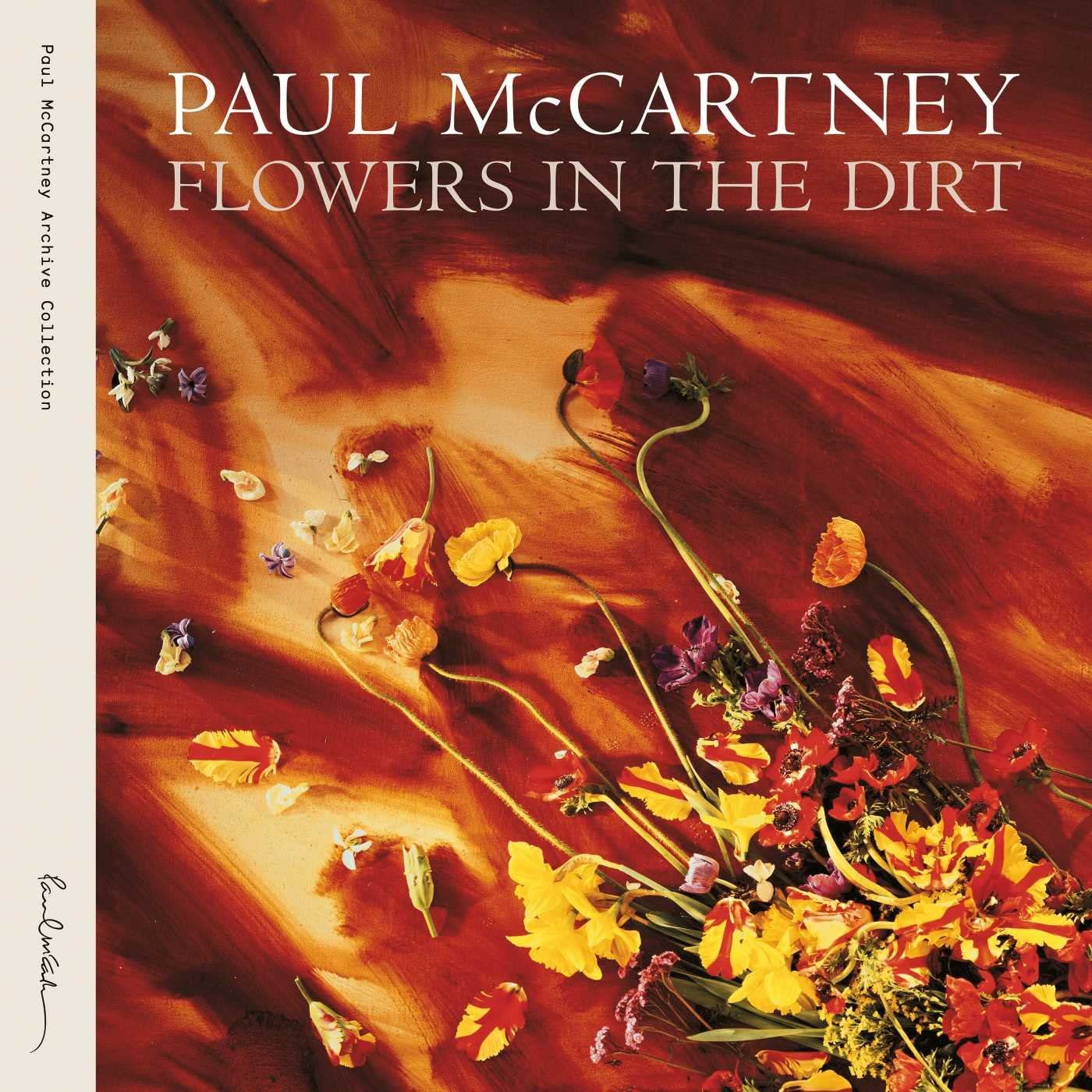
But equally, the 80s were a testing time for Macca. As Jeff Slate noted in his 2017 Esquire article that coincided with the release of the Archive Collection edition of Flowers in the Dirt, the 80s saw, ‘a pot bust in Japan, the break-up of Wings, the assassination of John Lennon, a failed venture into filmmaking, a floundering recording career, public and private squabbling with George Harrison and Ringo Starr, and Michael Jackson buying the rights to his beloved Beatles songbook out from under him’.
With all that going on (although, given the above chart stats, I don’t agree that McCartney’s recording career was ‘floundering’) it’s no surprise that listening through McCartney’s 80s albums can be something of a chore. Despite some very high watermarks – ‘Waterfalls’, ‘Coming Up’, ‘Say Say Say’, ‘No More Lonely Nights’, ‘Here Today’, (and even the pomp-pop of ‘Tug of War’ and ‘Pipes of Peace’) – the albums can be typically characterised as extremely uneven with a few great tracks a piece and an awful lot of filler. McCartney II and the throwaway but fun Choba B CCCP are the partial exceptions that prove the rule.
In a 1987 NME interview, McCartney admitted ‘I’m superstitious. I think that if you stop, you might never come back’. Much of his 80s output sounds like McCartney writing and recording something, anything, simply to avoid stopping and disappearing into the pop void.
But all that changed with Flowers in the Dirt, the strongest McCartney album since At The Speed of Sound more than a decade earlier. In a filmed interview for Put It There: The Making of Flowers in the Dirt, McCartney says the album’s consistent high quality is due ‘mainly ’cause we’re going out on tour, we kinda probably took a little bit more care over this one. I just don’t want to get stuck out in America somewhere on tour flogging an album that we don’t like.’
There was of course another reason. In 1987, McCartney began a short-lived writing partnership with Elvis Costello that, given the results on Flowers, reinvigorated McCartney’s creativity. McCartney himself compared the collaboration to his partnership with Lennon; a huge compliment. Costello’s raw and radical vision for the record was at odds with McCartney’s desire to make a more polished product and so only four co-writes made it on to the album (other tracks appeared over time on later McCartney and Costello solo records). But even if we were cheated on a complete album’s worth of material from the pair, what we do get is impressive.
The bold a cappella harmonies that open ‘My Brave Face’, and the album, are almost confrontational. McCartney seems to dare his critics to deny him the right to plunder his own musical legacy, with a nimble, melodic bass line played on that Höfner 500/1 as a bonus F.U.. It’s a tantalising taste of what The Beatles might have sounded like had they made it unscathed to the end of the 80s.
There’s more than a hint of Lennon and McCartney lyrical yin and yang about the memorable duet ‘You Want Her Too’. As McCartney pointed out in the NME interview ‘Elvis, he reminds me a little of John. Working with him is very similar. We wrote one song and thought ‘God, this is just like The Beatles’. There seems to be more of Costello’s dark edge in ‘Don’t Be Careless Love’, a sweet love song over which illogical anxiety casts its long shadow (‘Saw your body/rolled up in a rug/chopped into two little pieces/By some thug….But in the morning light…you’re by my side).
‘That Day Is Done’, written about the passing of Costello’s maternal grandmother, is the album’s emotional centrepiece. He told Esquire magazine that it ‘just came tumbling out in a lot of dense images that were very vivid and real to me, but perhaps not so comprehensible to the listener. Paul did something very subtle but crucial in making that song pay off to a big, plain spoken chorus, after I’d piled up all of these lines in the verses, including the one that yielded the album’s title.’
Perhaps buoyed by such a productive partnership (the above mentioned re-issue is well worth investigating for additional songs including the ‘Lovers That Never Were’, ‘Tommy’s Coming Home’ and ‘Twenty Fine Fingers’ that are easily as good as the tracks that made it to the original release. For a full appraisal of the McCartney/Costello demos, this article at reclinernotes.com is excellent), McCartney’s solo writes are uniformly excellent. ‘Distractions’, ‘Figure of Eight’ and ‘We Got Married’ are all top drawer stuff. There is the bafflingly awful white man’s reggae of ‘Too Many People’, but that’s just part of the eternal mystery of McCartney; the man that can write something as sublimely strange and haunting as ‘House of Wax’, to take just one random example, is the same man that can compose awful dreck like ‘We All Stand Together’.
It seems a shame that McCartney has never worked with Costello again given the quality of Flowers, but perhaps the echoes of Lennon and The Beatles were just a bit too strong for him. Given the breadth of his work in the 90s and beyond, with his classical compositions and his more experimental work with Youth as The Fireman, it seems McCartney had his sights fixed firmly on the future rather than looking back to the past.
Beatles Handbook rating: 5 stars
Essential tracks My Brave Face You Want her Too That Day Is Done
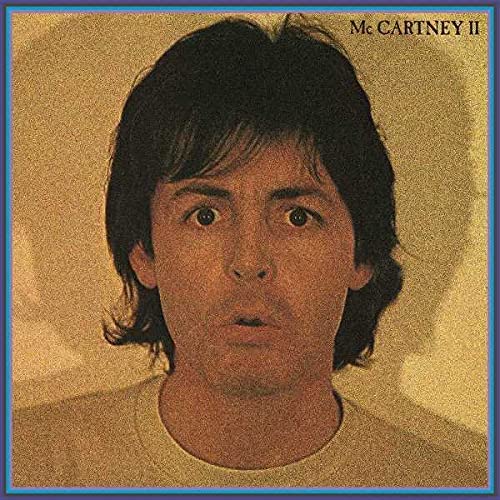
Echoing McCartney a decade earlier, McCartney II is a completely solo, home-recorded album that explores the possibilities offered by the then new-fangled technology of synthesisers and sequencers. Away from the band setting of Wings, which McCartney was becoming increasingly frustrated by, he seemed to relax and allow his creativity to flow. The results are delightful, if varied in quality (well, this is a Paul McCartney record after all). ‘Temporary Secretary’ sounds like your mad middle-aged uncle covering D.A.F., but in the best possible way; the unfortunately titled ‘Frozen Jap’ could be a Kraftwerk outtake, and ‘Front Parlour’ might be the electronic theme tune to a forgotten 80s children’s TV show.
‘Summer’s Day Song’, with it’s sweet melody, sophisticated chord structure and minimalist synthetic arrangement is the bridge between the album’s purely electronic tracks and those with more traditional instrumentation and arrangement. Despite the presence of bass, drums and guitar, ‘Coming Up’ still manages to be a slightly batty fusion of four-to-the-floor funk and 1920s dance band horns; it remains an irresistibly unusual groove and an album highpoint, along with ‘Waterfalls’, one of McCartney’s most beautiful and tender love songs.
So, not a perfect record, but a huge amount of fun. The extended Archive Collection edition is also well worth exploring.
Beatles Handbook rating: 4 stars
Essential tracks Coming Up Waterfalls Temporary Secretary Buy this album: McCartney II
3. CHOBA B CCCP (1988)
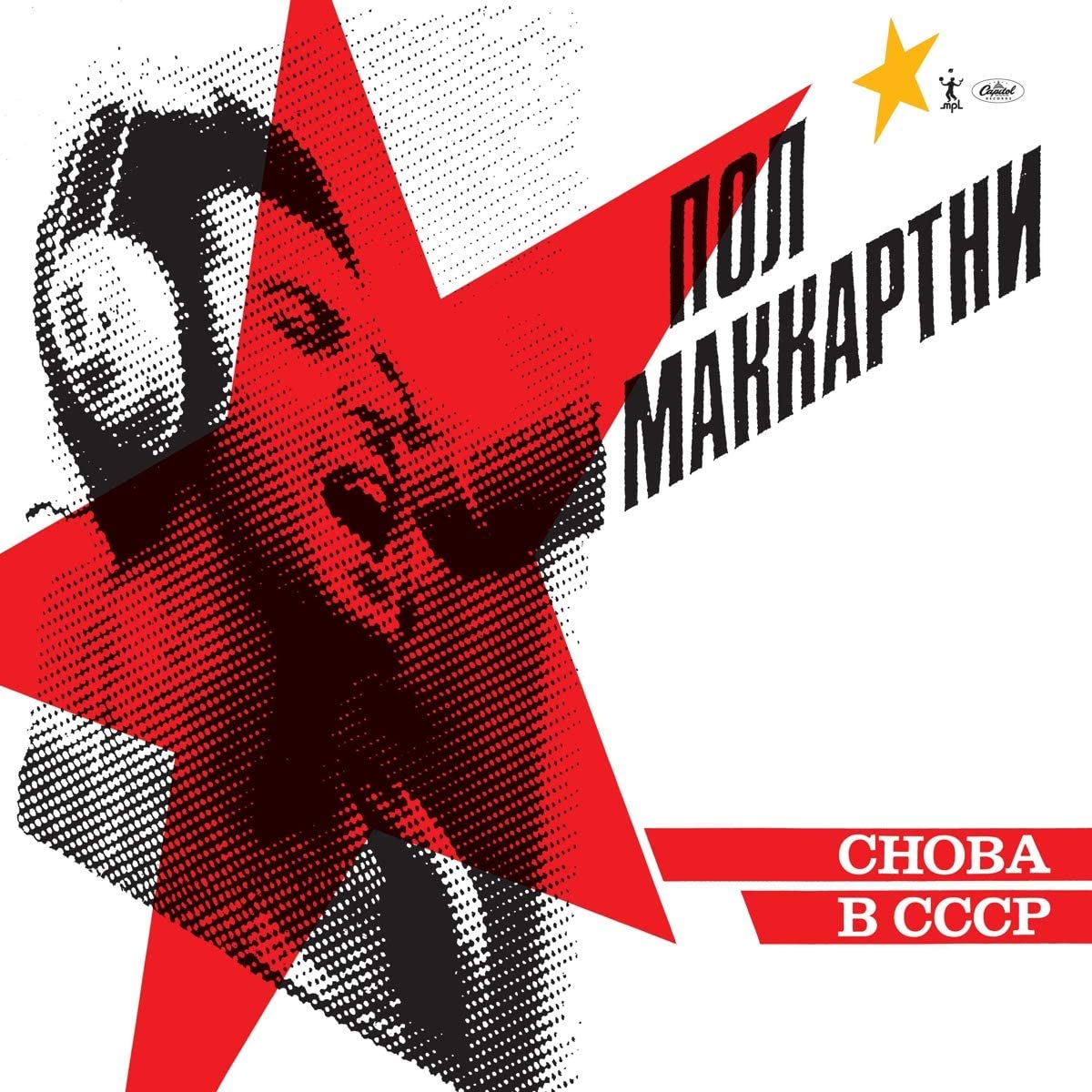
CHOBA B CCCP (‘Back In The USSR’) is stripped back palate cleanser after the production excesses of Press Play. Recorded live in the studio with a top band that included lauded Pirates guitarist Mick Green, Macca rattles through some rock’n’roll favourites and sounds like he is having a ball doing it. Not an essential album by any means, but in the the context of McCartney’s variable 80s output, a very welcome addition to the catalogue.
Beatles Handbook rating: 3 stars
Essential tracks Twenty Flight Rock Lucille Lawdy, Miss Clawdy Buy this album: Choba B CCCP
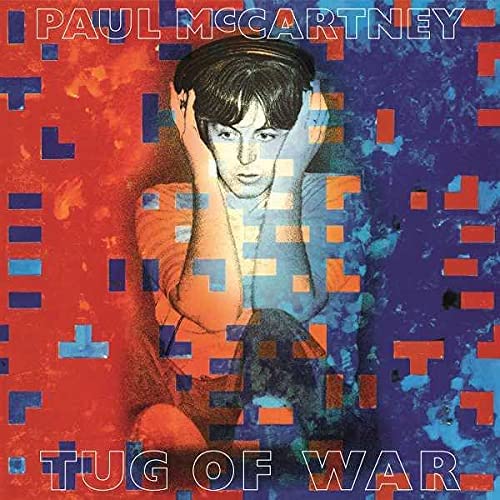
4. Tug Of War (1982)
Recorded in the wake of Lennon’s death, Tug of War contains the moving tribute ‘Here Today’ to his former bandmate. Further Beatles connections in the form of George Martin’s production and Ringo Starr contributing drums and backing vocals on several tracks can save this from being an uneven and incoherent collection of songs. The almost endless personnel list includes everyone from Stanley Clarke and Steve Gadd to Andy Mackay and Carl Perkins (and Stevie Wonder of course) which reflects the album’s plethora of styles. The title track sounds much better now than it did at the time but still suffers a little from 80 bombast and grand statements, as well as some truly terrible lyrics and the unfortunate sub-high school English student rhyming of grumble/tumble/crumble.
The album also contains one of the worst songs ever composed in ‘Ebony and Ivory’. I’m sure some clever music critic somewhere has managed to argue its true artistic merits, but the reality is that this collaboration with Stevie Wonder is a mawkish and inane song with no redeeming features. Whereas the direct simplicity of ‘Silly Love Songs’ works wonderfully, taking a similarly naive approach to race relations in ‘Ebony and Ivory’ results in one the worsts clunkers in the entire McCartney canon. Somehow, two of the finest musicians and songwriters of all time manage to cancel each other out. At least we have ‘What’s That You’re Doing’, an absolute belter of a funk/pop tune to show what they could achieve together.
‘Wanderlust’ apart (a gospel-influenced, soaring ballad with a nice brass arrangement), the album is dragged down by too much ballast in the form of forgettable pop ditties like ‘Take it Away’, ‘Somebody Who Cares’ and the horrible comedic um-pah of ‘Ballroom Dancing’.
McCartney is a hard worker, no one could dispute it. Seven albums (plus a movie) in one decade is ample evidence of that. But listening to Tug of War makes you wish he’d taken it a bit easier, recharged the old song writing batteries and come up with something just that bit better.
Beatles Handbook rating: 2 stars
Essential tracks Here Today Tug Of War What’s That You’re Doing Buy this album: Tug of War
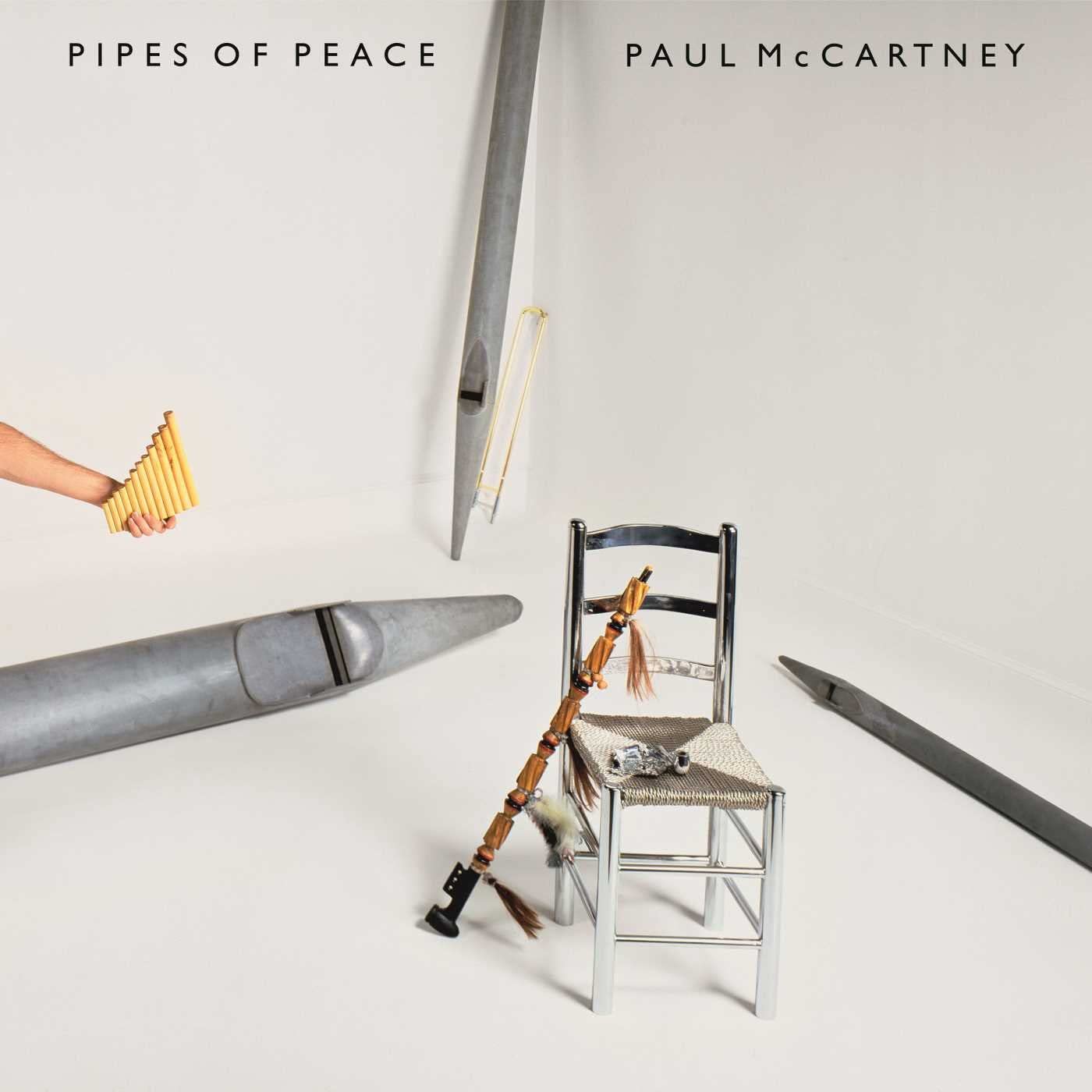
5. Pipes Of Peace (1983)
The title track is a finely crafted piece of catchy pop with some nice turns of phrase (‘Will the human race/be run in a day’) with a straightforward pacifist message. The remainder of the album is mostly made up of a vaguely pleasing wash of white pop/soul/funk (‘So Bad’ and ‘Through our Love’ are relative stand outs) that only catches fire when Michael Jackson gets involved; ‘Say Say Say’ is an enduring pop classic with an earworm of a melody and ‘The Man’ is just a great tune that features a sweet-as-honey Jackson vocal performance. With too many filler tracks like the disposable ‘Tug Of Peace’, it’s hard to imagine listening to the whole album through very often, if at all.
Beatles Handbook rating: 2 stars
Essential tracks Say Say Say The Man Pipes Of Peace Buy this album: Pipes of Peace
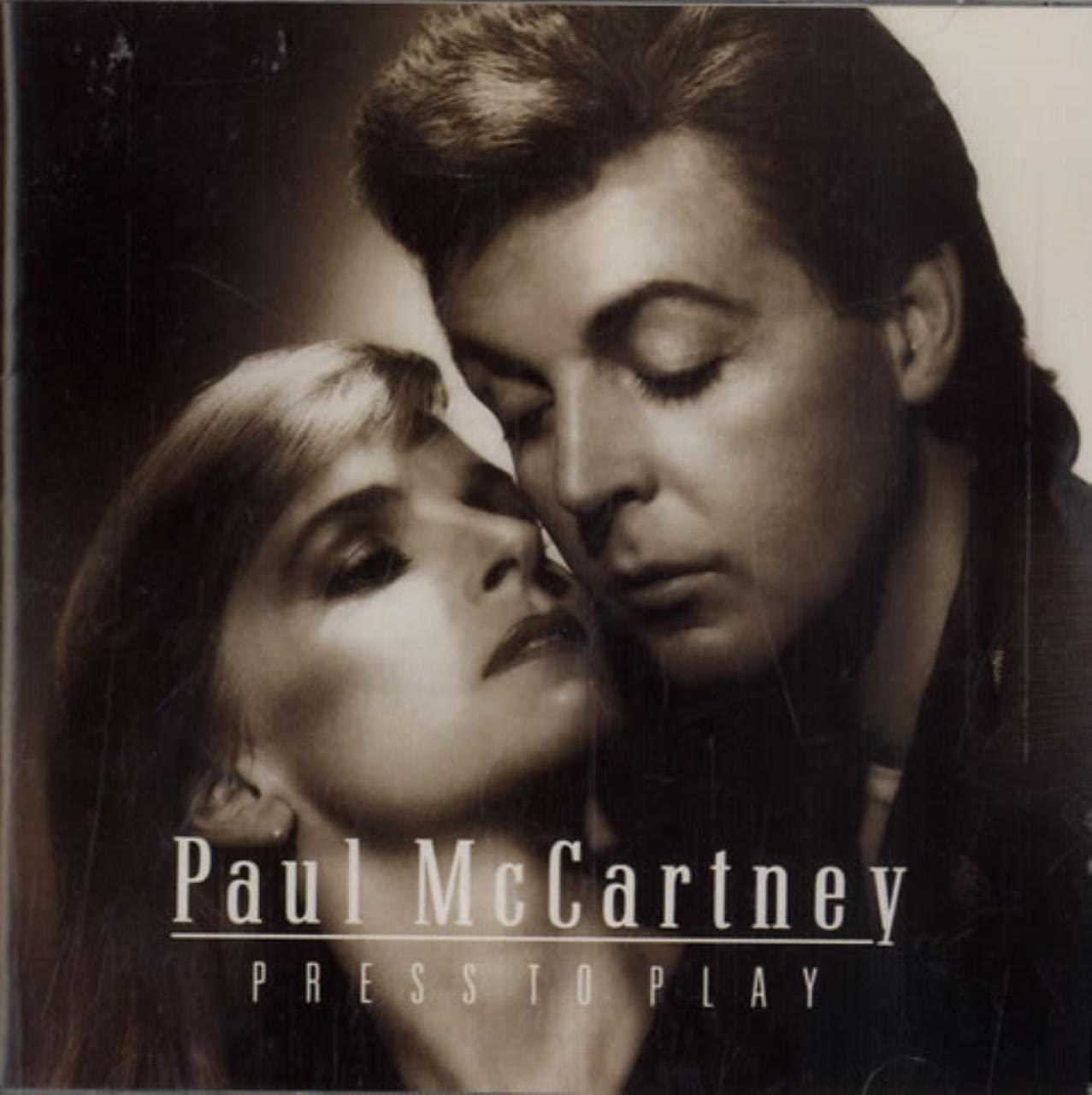
6. Press To Play (1986)
In which McCartney gets well and truly Hugh-Padgham-ed. A terribly dated, none-more-80s exercise in slick over-production. Unusually, McCartney seems to be relying on sound textures to create interest rather than solid song writing, despite help on a number of tracks from the estimable Eric Stewart. The cod-reggae of ‘Good Times Coming’ is a low point, the perfect, shiny pop of ‘Press’ is a real high. The solo-penned ‘Only Love Remains’ is beautiful, a true McCartney classic love song.
Beatles Handbook rating: 2 stars
Essential tracks Only Love Remains Press However Absurd Buy this album: Press to Play
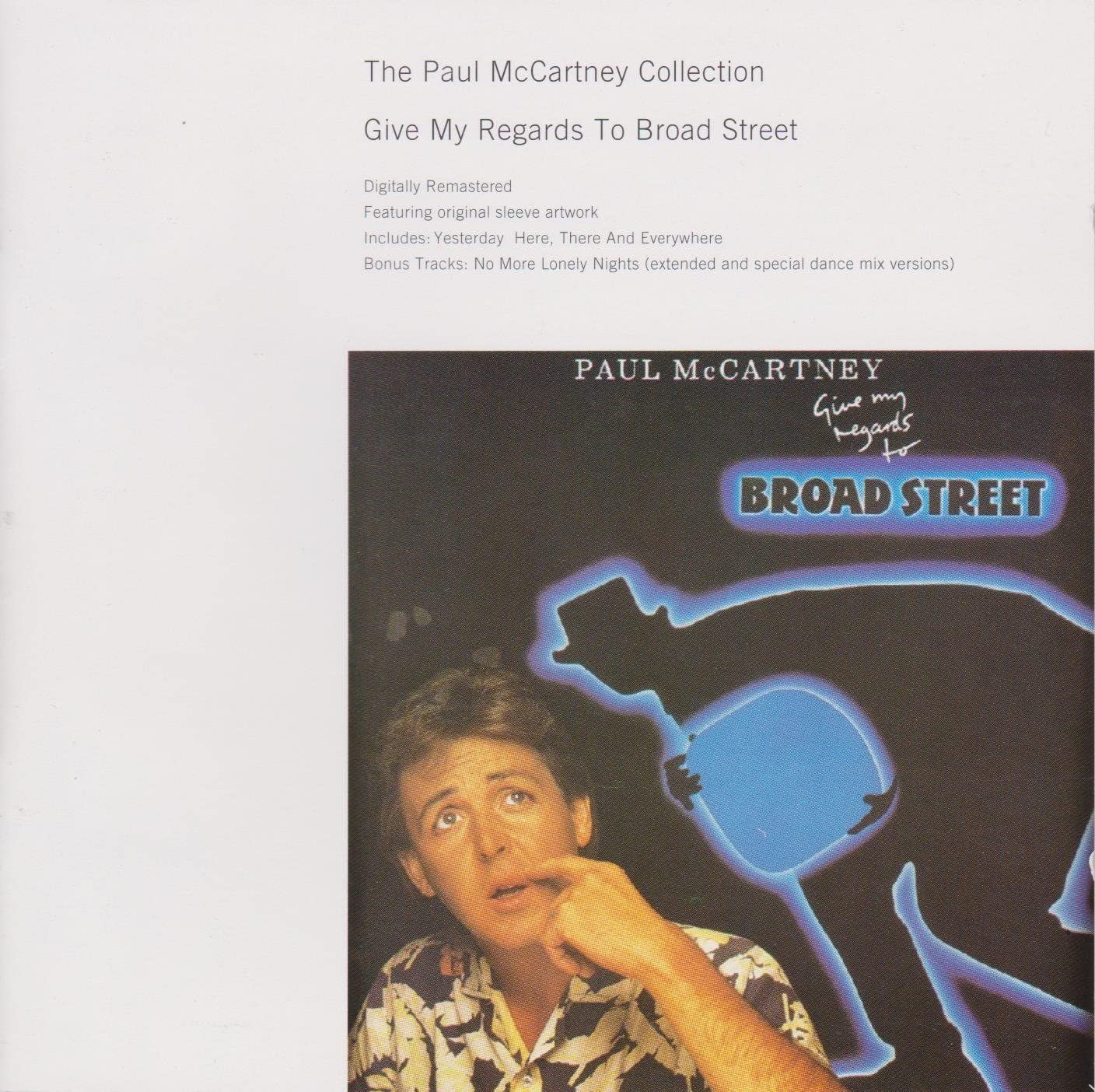
7. Give My Regards to Broad Street (1984)
The soundtrack to McCartney’s ill advised post-Beatles foray into major motion pictures is mostly composed of re-recordings of previously released Beatles and solo McCartney songs. It’s a rum old mix, with stone cold classics like ‘Here There and Everywhere’ rubbing shoulders with lesser McCartney compositions such as ‘Ballroom Dancing’. The only new tracks on the album are the the excellent pop ballad ‘No More Lonely Nights’ (one of McCartney’s best) the average, mild mannered rocker ‘Not Such a Bad Boy’ and the faux-punk ‘No Values’ (*shrugs*). There’s an extended symphonic reworking of ‘Eleanor Rigby’ called ‘Eleanor’s Dream’, which is certainly interesting but hardly essential. McCartney completists will want an updated ‘Yesterday’ (even if it does sound very similar to the original) but others need not apply.
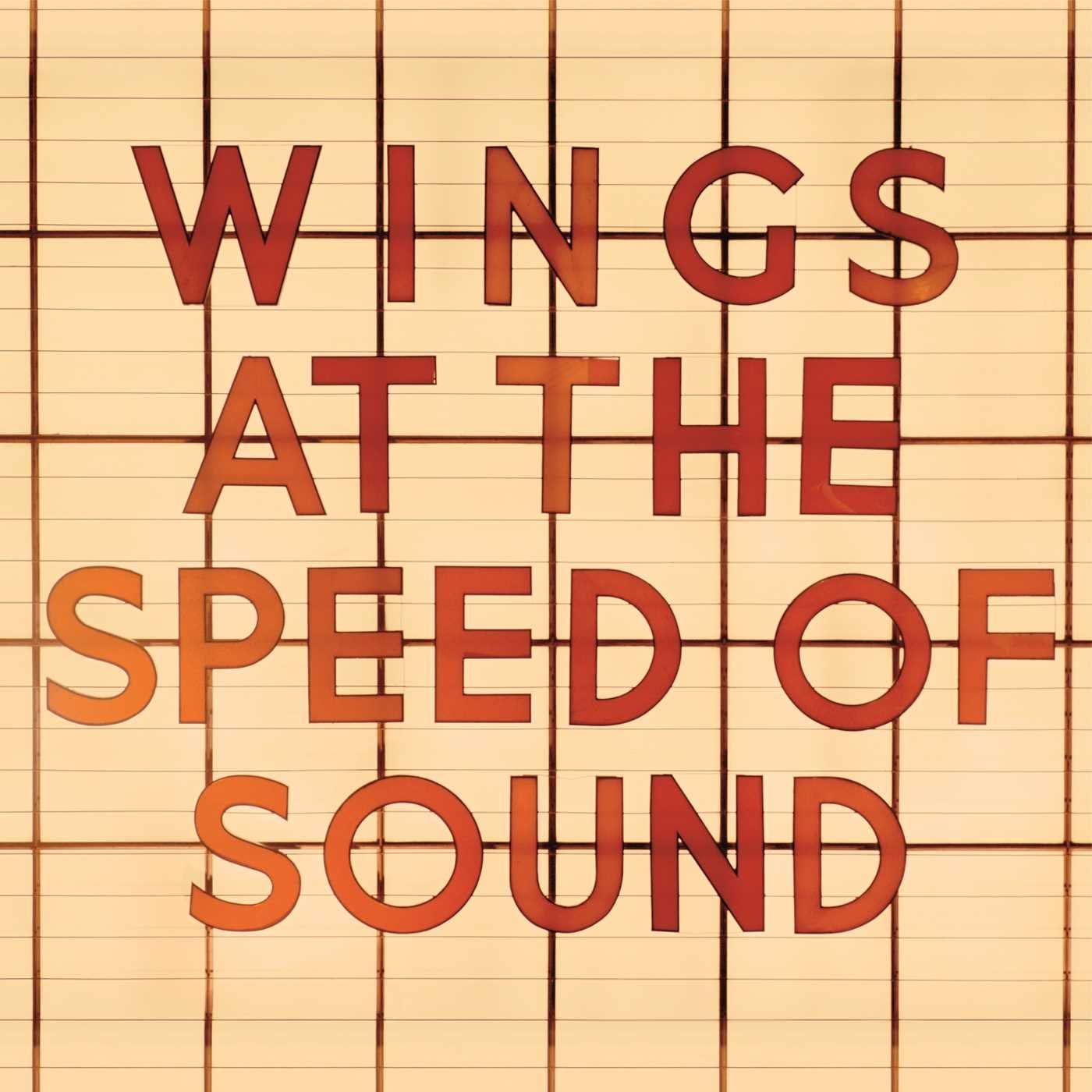
In The Lyrics, McCartney claims that “There were accusations in the mid-1970s – including one from John – that I was writing ‘silly love songs'”. Paul’s response? To double down and write more of them. ‘Silly Love Songs’ spent five weeks at number 1 in the Billboard Hot One Hundred in America and reached number 2 in the British pop charts. Who’s laughing now? With a bubbling, popping bassline that wanders delightfully all over the fretboard above a lilting string arrangement and punctuated by catchy-as-hell brass and wind section riffs, it’s an irresistibly infectious piece of 70s pop and one of the jewels in the crown of McCartney’s back catalogue.
But Speed of Sound isn’t just silly love songs. ‘Beware My Love’, with its echoes of ‘Reach Out’ by The Four Tops is Motown seen through the prism of 70s hard rock (the alternative version with John Bonham of Led Zeppelin on drums that appears on the Archive Collection edition is worth tracking down). The pedaling bass and militaristic drum and wind arrangement on ‘Let ‘Em In’ sounds like little else in pop. The song’s message of inclusivity is more relevant now than ever.
McCartney’s attempt to accentuate Wings as a real group affair rather than just an ex-Beatle and his hired backing band works to great and diverse effect. Guitarist Denny Laine contributes two highlights – an affecting lead vocal on McCartney’s ethereal ‘The Note You Never Wrote’ and a soulful performance on his own top drawer composition ‘Time To Hide’ (that hints at ‘You Keep Me Hanging On’ in the verse), while Jimmy McCulloch’s Steely Dan-esque ‘Wino Junko’ features some excellent soloing.
However, while I’m extremely reticent to indulge in anything that might appear to be Linda-bashing, the weakest track on the album by far is the under-baked, lightweight rock’n’roll of ‘Cook of the House’ which Linda sings and co-wrote with McCartney. But it’s a minor irritation and doesn’t prevent this from being McCartney’s best record of the 70s. A joy from start to finish.
Beatles Handbook rating: 5 Stars
Essential tracks Silly Love Songs Beware My Love Time To Hide Let ‘Em In San Ferry Anne
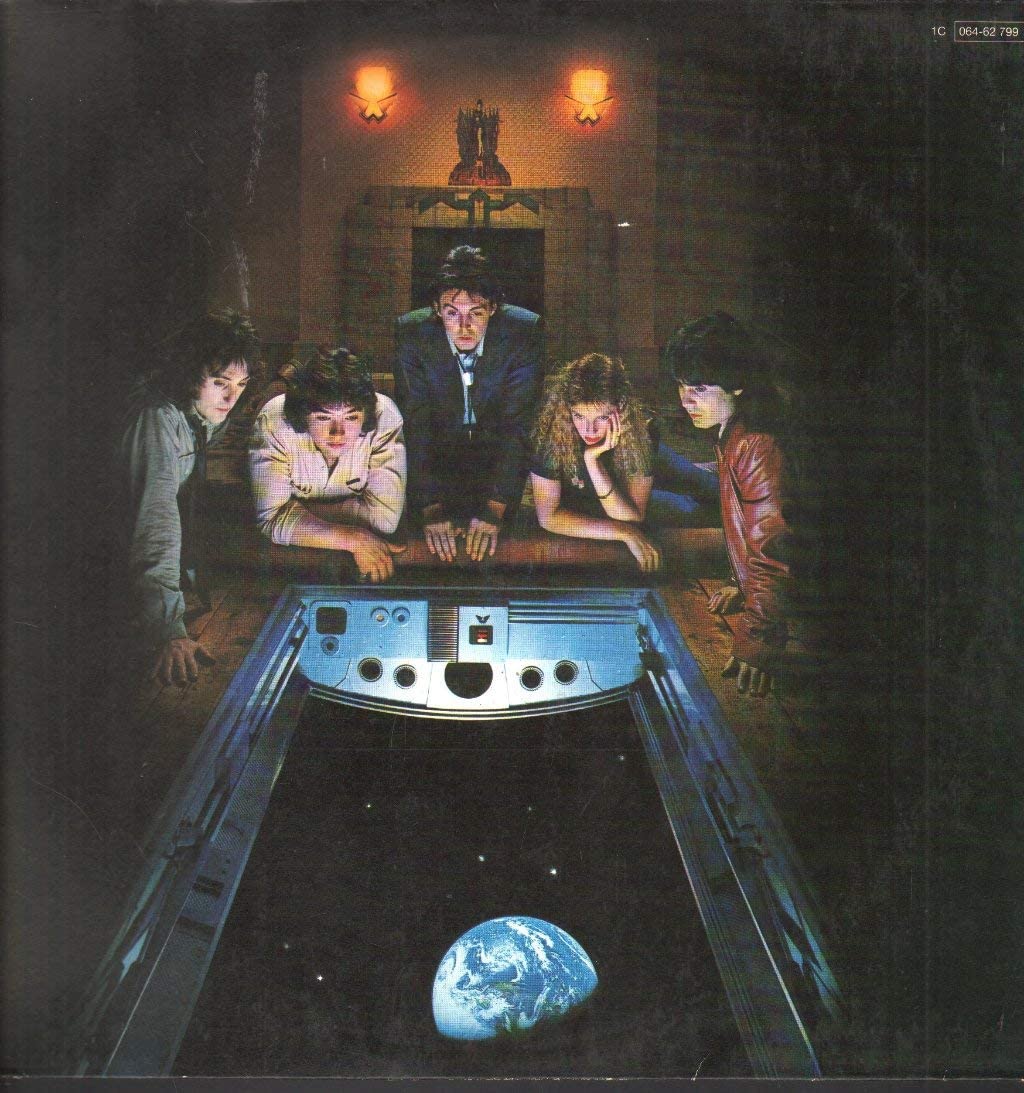
2. Band on the Run by Paul McCartney & Wings (1973)
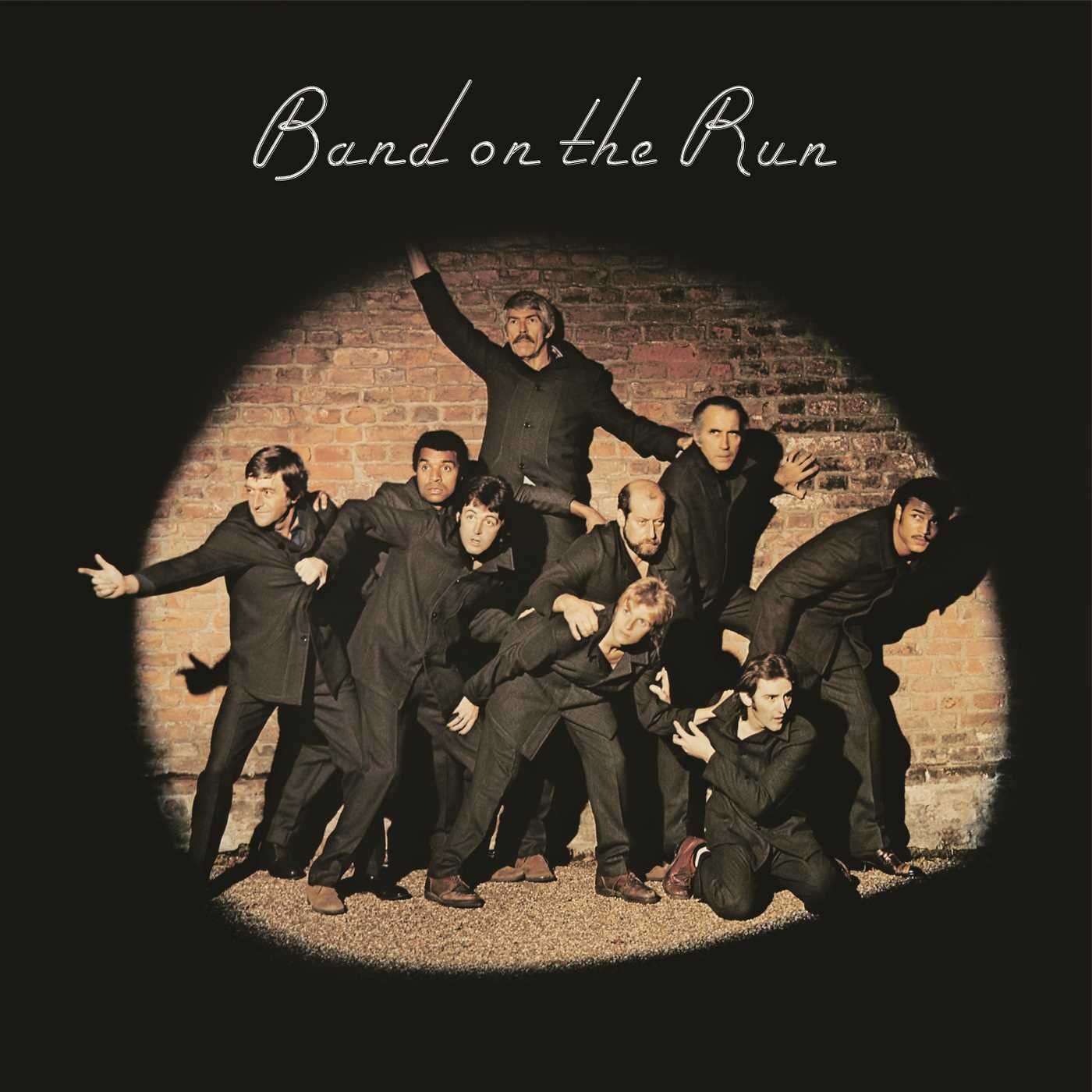
One of McCartney’s best known records, Band on the Run is half a masterpiece. Side one (as it would have been on the original vinyl release) is solid gold, but the album seriously runs out of steam on side two.
The title track, with it’s various musical sections threaded around a very loose lyrical narrative, has it’s antecedents in ‘A Day In The Life’, the suite of songs that closes Abbey Road and, as Paul Du Noyer points out in Conversations with McCartney, ‘Live and Let Die’ which McCartney wrote almost immediately before recording Band On The Run. The song had more than its fair share of imitators, at least structurally, in tracks such as Queen’s ‘Bohemian Rhapsody’ or ‘I’m Mandy, Fly Me’ by 10cc, but none quite pull off the trick as well as ‘Band On The Run’.
From the meditative, melancholic opening with its lazily sliding guitar chords, wistful synth noodling and sweet vocal harmonies that’s ‘stuck inside these four walls’, to the broodingly angry distorted riffing of ‘if we ever get out of here’ that bursts into the euphoric acoustic strum that hopes ‘you’re having fun’, words and music are in perfect unison. In The Lyrics, McCartney explains that the theme of the song is freedom and that, “A lot of us at that time felt free from the strictures of civilisation. That’s one of the great things about rock and roll: it does allow you to break the rules.” McCartney evokes that renegade spirit perfectly in the line ‘we never will be found’, lending the band on the run a mythical other-worldly quality. As an opener, it’s hard to beat.
As for the following tracks, the words to ‘Jet’ remain delightfully opaque, even after reading McCartney’s ‘explanation’ in The Lyrics; the song is best enjoyed for what it is, a shouty old pop-rocker of the highest order. ‘Bluebird’ might be a slightly poor relation to ‘Blackbird’ but it still boasts a sublime melody that glides effortlessly over a blissful, relaxed bossa nova-like acoustic backing track. Although ‘Mrs. Vandebilt’ is a relatively minor McCartney work, it’s still packed with hooks and is a fine pop tune, and the repetitive, gritty Lennon-esque guitar figure on ‘Let Me Roll It’ slamming up against the bass and drum breakdown is a thrilling rock moment.
Which brings us to side two. ‘Mamunia’ is a wafer thin slice of disposal pop with an irritatingly repetitive chorus; the word ‘ditty’ comes to mind, ‘No Words’ is like a pastiche of late period Beatles that could have been written by ELO or 10cc (i.e. beneath McCartney) and ‘Picasso’s Last Words’ is simply a dirge. Only the rousingly riff-tastic, piano-driven ‘Nineteen Hundred and Eighty Five’ saves the day and brings things to a satisfying conclusion.
As with Let It Be, the circumstances surrounding the recording of Band On The Run go a long way to explaining why it’s such an uneven listen. Two band members abandoned ship on the eve of recording. The regrettable decision to record in Lagos was made where the studio turned out to be half built, there was a cholera outbreak and McCartney was mugged. That anything was recorded is something of a miracle, let alone an album that contains several classics.
Beatles Handbook rating: 4 Stars
Essential tracks Band on the Run Jet Nineteen Hundred and Eighty Five Bluebird Let Me Roll It
3. Red Rose Speedway by Paul McCartney and Wings (1973)
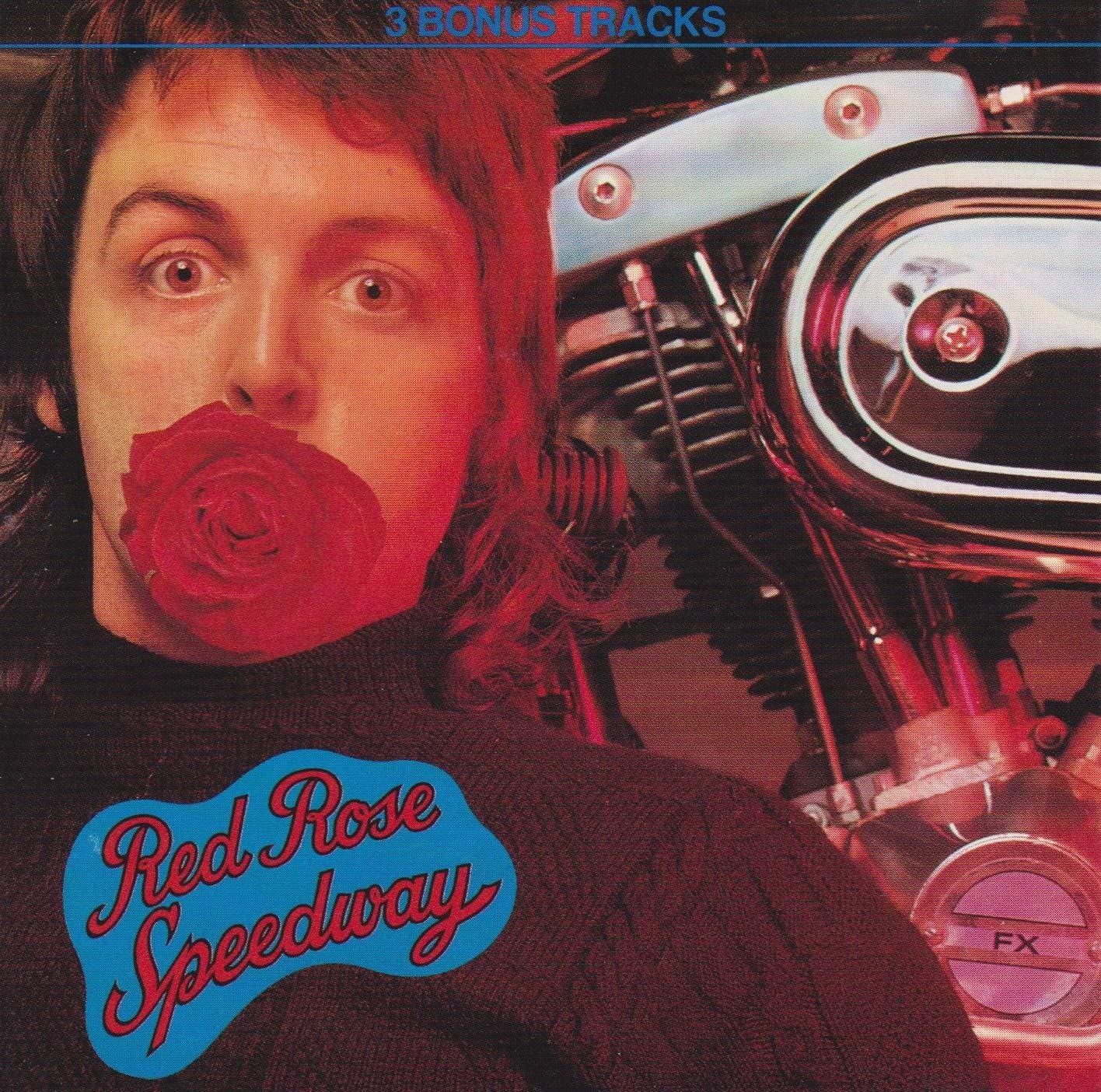
Red Rose Speedway is one of the most enjoyable albums in McCartney’s entire back catalogue, an opinion not many other people seem to share. Most damningly, producer Glynn Johns walked out on the recording sessions after four weeks, calling the music ‘shite’ and unimpressed by the band’s ‘lackadaisical’ approach, according to Man On The Run, Tom Doyle’s wonderful book on McCartney in the 70s.
Doyle also quotes Linda as describing it as ‘such a non-confident record’ and McCartney himself admitting ‘I don’t remember a lot about it actually. I think the fact that I don’t remember it too well bears that out’. Even Brian O’Conner of the Sodajerker song writing podcast, who chose the album for an episode of I am The Eggpod was equivocal about Speedway, calling it ‘an overlooked entry in the Paul cannon…it’s by no means Paul’s finest work, far from it, but there’s just something about it that keeps bringing me back to it’.
Du Noyer is more positive about the album in Conversations with McCartney, saying that the record marked ‘Paul’s commercial re-emergence’ following the ‘ramshackle’ Ram LP and ‘recovered some of the poise and consistency that was expected of Paul’.
But I don’t care what anybody else says, Red Rose is a consistently great listen with no bad tracks. ‘My Love’ (I’m not sure anything more needs to be said about that guitar solo other than you ought to listen to it again right now) and the exquisite ‘Little Lamb Dragonfly’ aside, it may not reach the heights of the best tracks on Band on The Run, but from the insanely catchy rocker ‘Big Barn Bed’ to the closing medley of ‘Hold Me Tight/Lazy Dynamite/Hands of Love/Power Cut’ McCartney proves that he’s at his best when he stops messing about (see most of McCartney) and embraces his melodic gift.
Given his unrivalled reputation and achievements, it’s tempting to judge all of McCartney’s output against the standard of ‘towering masterpiece of popular music’ and anything that falls below that as somehow being unworthy of anyone’s attention. Red Rose is not a towering masterpiece, but it is bloody great way to spend 42 minutes of your life. Give it a go, you will not be disappointed.
Beatles Handbook rating: 4 Stars
Essential tracks My Love Big Barn Bed Little Lamb Dragonfly Single Pigeon When The Night Loup Buy this album: Red Rose Speedway by Paul McCartney and Wings
Red Rose Speedway is one of the most enjoyable albums in McCartney’s entire back catalogue, an opinion not many other people seem to share.
4. Ram by Paul McCartney and Linda McCartney (1971)
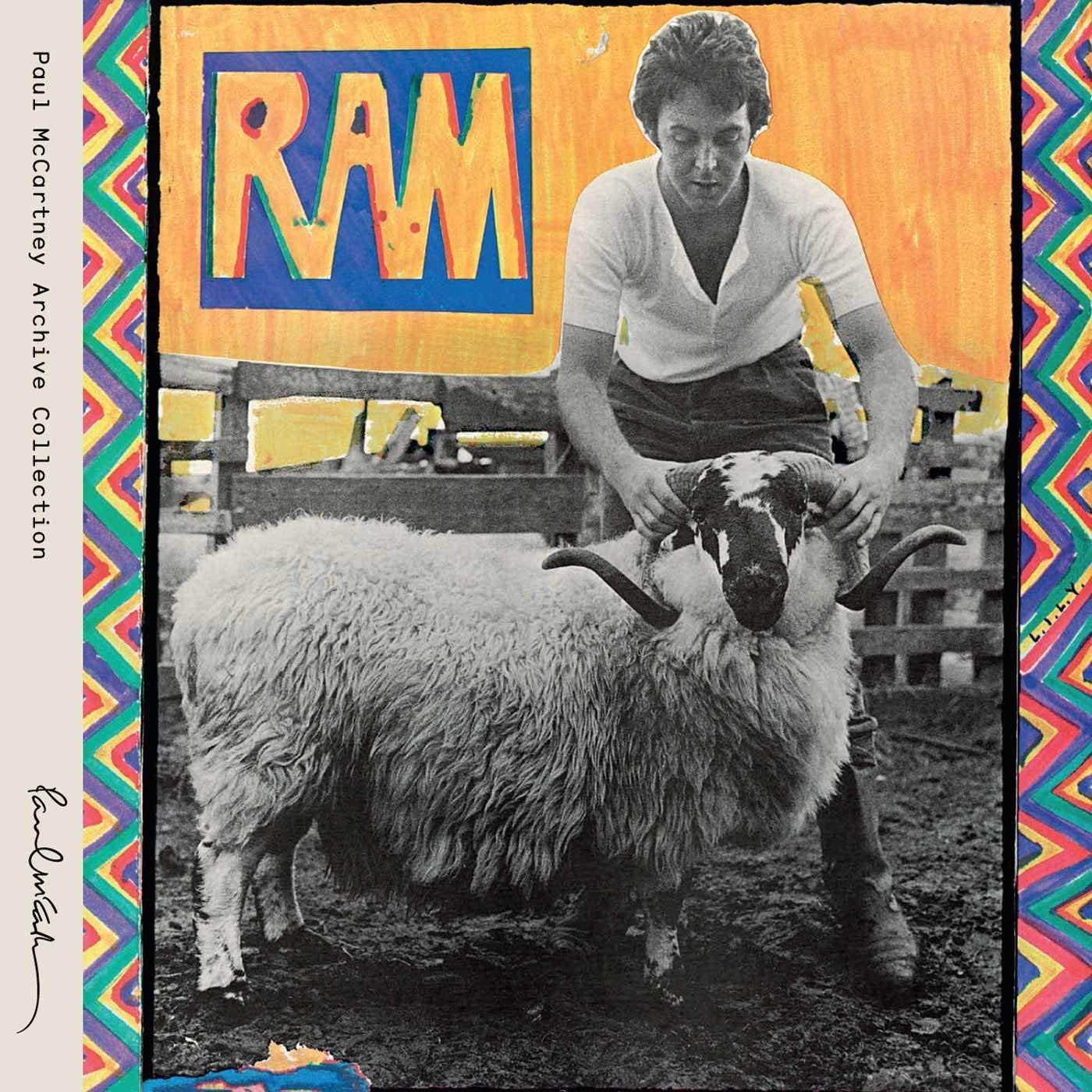
McCartney’s second post-Beatles albums suffers from both too many ideas and a paucity of them at the same time. Overtly Beach Boys-influenced tracks such as ‘Dear Boy’ and ‘The Back Seat of My Car’ are packed with ‘baroque detail’ (Tom Doyle, Man on the Run) while tedious, chugging blues riffing sucks any interest from filler tracks like ‘3 Legs’, ‘Smile Away’ and ‘Eat At Home’. In between these two extremes, we find the six minute long, unnecessarily complex yet lumpen Hey Jude-alike ‘Long Haired Lady’ staggering on vainly in search of a melody that remains stubbornly furtive. The John and Yoko diss track ‘Too Many People’ features some nice melodies and twangy guitar work, but a weak chorus and the endlessly noodling outro ultimately proves that negativity doesn’t best serve McCartney’s muse.
But there are high points. ‘Ram On’ has a beguiling other-worldly feel, with a Beach Boy-ish melody soaring over a few simple strummed ukulele chords. In ‘Monkberry Moon Delight’, McCartney delivers surreal lyrics in an effectively scratchy, croaking growl over a mid-tempo stomping backing track with a great arrangement (including some nice BVs from Linda) that sustains interest over the five and half minute duration. ‘Heart of the Country”s laid back, bluesy feel, intimate relaxed vocal from Paul and memorable, hooky chorus make for an enjoyable listen. A minor transitional work; there was so much better to come.
Beatles Handbook rating: 3 Stars
Essential tracks Ram On Monkberry Moon Delight Uncle Albert/Admiral Halsey Back Seat Of My Car Dear Boy Heart of the Country Buy this album: Ram by Paul McCartney and Linda McCartney
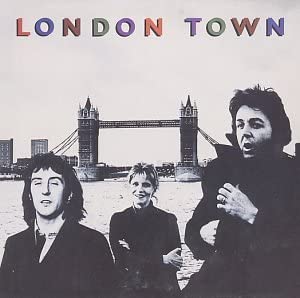
5. London Town by Wings (1978)
A disparate collection of tunes that pinballs from catchy pop (‘With a Little Luck’, ‘Cafe On The Left Bank’) to funk and soul (the instrumental ‘Cuff Link’ and album standout ‘Girlfriend’) to touching ballad (‘I’m Carrying’) to folky strum (the Steeleye Span-ish ‘Children Children’, the forgettable ‘Famous Groupies’ and the memorable ‘Deliver Your Children’) to Beatle-like bluesy trudge (‘I’ve Had Enough’).
If that wasn’t enough, McCartney throws in an Elvis impersonation on the hard rocking ‘Name and Address’ and a helping of faux fiddle-di-de on ‘Morse Moose And The Grey Goose’. As the follow up to Speed of Sound, it’s a let down for sure but there are some exquisite songs including the beguiling title track and slow burning ‘Don’t Let It Bring You Down’ (I do love a McCartney/Laine co-write) that make it worth persevering with. Few would want to listen to the entire overlong, meandering mélange too many times, but there’s plenty to enjoy and admire here once you’ve picked your way through the clutter.
Beatles Handbook rating: 3 Stars
Essential tracks With a Little Luck Don’t Let It Bring You Down Girlfriend London Town Cafe on the Left Bank Deliver Your Children I’m Carrying Backwards Traveller
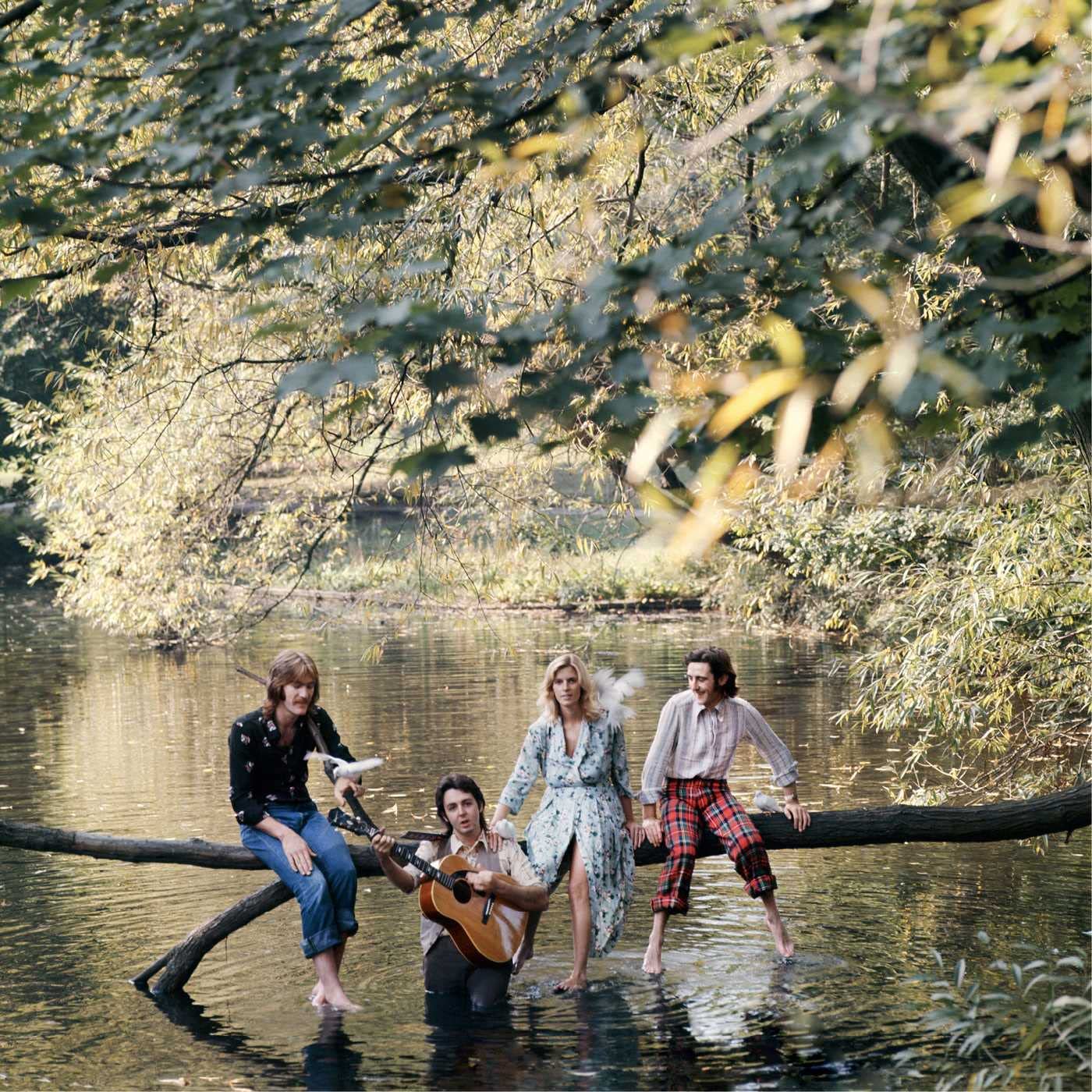
The fact that there are two people named Denny playing on Wild Life (guitarist Laine and drummer Seiwell) might be the most interesting thing about this album. As Paul, Linda and their then new found mates bugger around for a good half of the 38 minute running time, I find my mind wandering. “Surely one was called Danny? I mean, it’s like Madonna making a record with someone else called Madonna. Or there being two Derrens, or Davinas. Did McCartney originally hire Denny Laine because his name sounds a bit like Penny Lane? Were the Dennys referred to only by their surnames to avoid confusion in the studio, or did they have numbers, like Thing One and Thing Two? Two Dennys, what are the odds…”.
When I can focus on the music as it drifts by, other questions occur to me such as ‘The title track, ‘Some People Never Know’ and ‘Dear Friend’ are all wonderful. Why didn’t McCartney just try harder?” and, “Hadn’t McCartney ever heard of EPs”. That is perhaps a little unfair, as the four songs on what would have been side two of the original release hang together well and display many of McCartney’s best attributes as a songwriter. But it’s an uneven listen overall with McCartney still finding his feet in a post-Beatles world.
Beatles Handbook rating: 3 Stars
Essential tracks Wild Life Some People Never Know Dear Friend
And it all starts so well. ‘Venus and Mars’ is one of those snaking ear-worm melodies that McCartney seems to be able to pull out of thin air. The chiming guitar chords and harmonising bass notes seem to be taking the music to somewhere unexpected. But suddenly we’re into ‘Rock Show’ and everything turns bog standard vanilla with McCartney wailing about ‘rock’n’roll at the Hollywood Bowl’ like he’s completely run out of ideas for lyrics. It’s just horrible.
Although there’s far too much turgid 70s rock on the record, it’s far from all bad. There’s the haunting ‘Love in Song’, beautiful ‘Treat Her Gently’ and of course ‘Listen To What The Man Said’, a highlight of McCartney’s work in the 70s and one that foreshadows the treasures in store on Speed Of Sound.
Beatles Handbook rating: 3 Stars
Essential tracks Treat Her Gently – Lonely Old People Listen To What The Man Said Love In Song
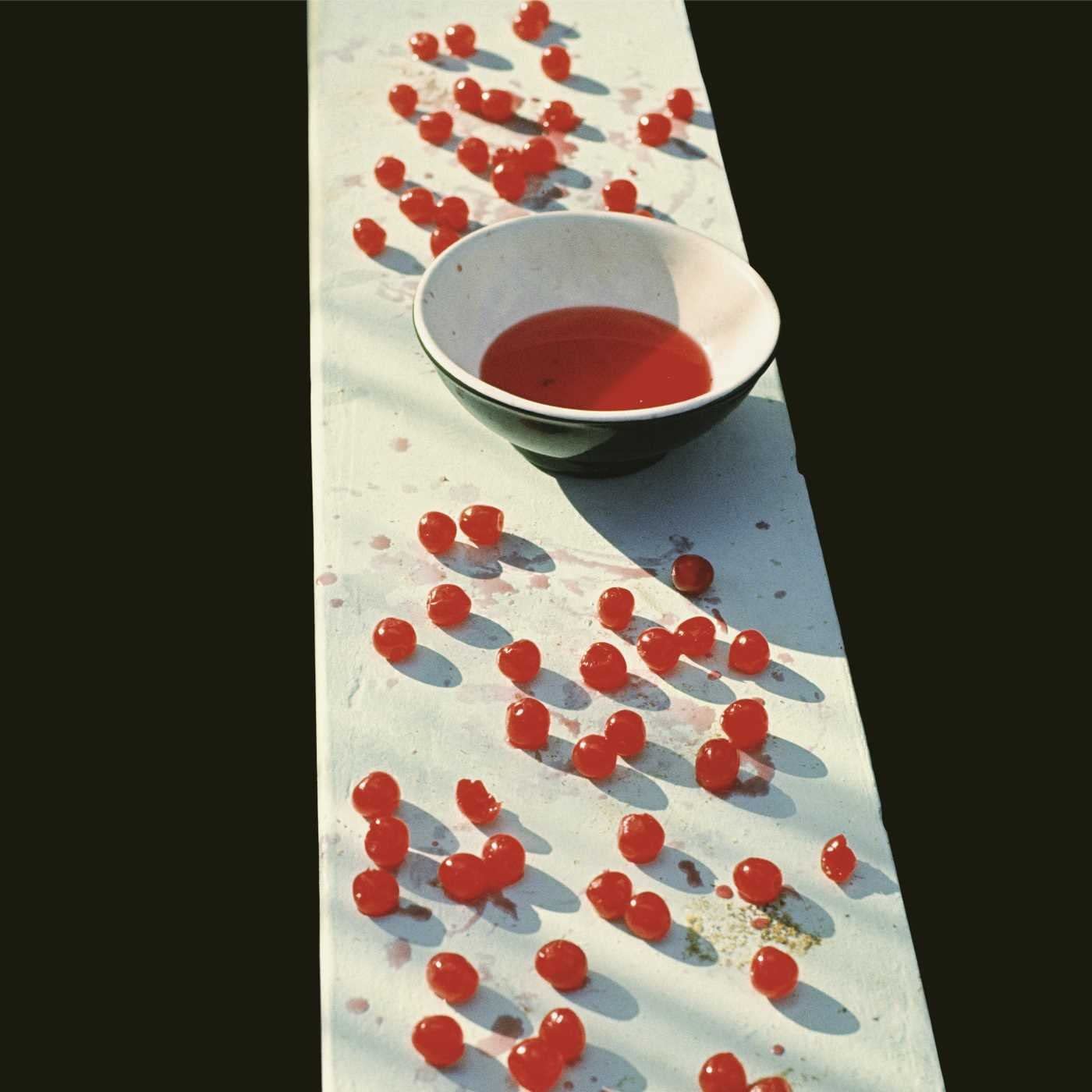
It’s worth noting the historical context in which this album was made before you read the damning verdict that follows. McCartney’s first solo album was recorded while he was still officially a Beatle and during the band’s messy break up. It says something profound about McCartney’s unrelenting drive as a creative force (and his ambition) that he would seek to begin to establish his musical identity as a solo artist even as his role as band member/leader was being painfully taken from him.
McCartney unquestionably documents an important moment in popular musical history. But it also documents Paul dicking about by himself for the majority of the running time, making it an extremely unrewarding listen. But among all the under-developed, under-produced inconsequential whimsy, McCartney manages to pull out three stunners just to remind the world of his genius.
Although ‘Every Night’ would have benefitted from a more detailed arrangement, it is a beautifully constructed, hook laden ballad where a pensive melancholic verse resolves effortlessly into a joyful, celebratory chorus. It wouldn’t be out of place on a late period Beatles album. It’s not surprising that it’s been covered many times, including a striking version by Richie Havens. ‘Junk’ is a gorgeously simple acoustic ballad with a floating wistful melody and a lyric about consumerism that feels very contemporary. But the true stand out is ‘Maybe I’m Amazed’ – the instantly recognisable piano riff, bluesy impassioned vocal, carefully constructed guitar solos and the remarkable lyric, a love song about ‘fear and loneliness’ as McCartney explains in The Lyrics.
Despite the presence of these three classics, McCartney remains an album for completists only.
Beatles Handbook rating: 2 Stars
Essential tracks Maybe I’m Amazed Every Night Junk
An album not worthy of your time. The sophisticated blue-eyed soul of the Michael McDonald influenced ‘Arrow Through Me’ is a great track and ‘So Glad To See You Here’ provides Eagles of Death Metal with a template for an entire career (the similarity to that band’s particular brand of perky, bouncing 12 bar riffing is really quite spooky) but there really is not much else to appeal in another motley selection of uninspired second and third rate compositions.
McCartney sounds uncomfortable in his own skin, trying on a variety of musical disguises, from the Bowie-ish ‘To You’ to the punky ‘Spin On It’, none of which really suit him. Yes, he can pull off a jazzy 20s style ballad with ‘Baby’s Request’, complete with some lovely vocal harmonies, but the question is why bother? It’s a b-side at best and adds one more unnecessary ingredient to an already muddy musical stew.
Beatles Handbook rating: 2 Stars
Essential tracks Arrow Through Me So Glad To See You Here Getting Closer


 the-beatles.uk